Visiting “Nanahaku! 2024 Solé” in Yamagata
 kochizufan
As mentioned in our case studies, Code for History collaborates with Yamagata University’s Yamagata Archive project through our historical map application, Maplat.
The people behind the Yamagata Archive are also part of a local group called Machi no Kioku o Nokoshitai (“The Team Preserving the Town’s Memories”), which organizes an event called Nanahaku! every February and September. The event explores the history of Nanokamachi, a historic district in Yamagata City.
This February’s edition, Nanahaku! 2024 Solé, was held over three days from February 16 to 18, and I went to visit.
Last February, I was able to experience Yamagata as a true snowy northern city, but this year there was almost no snow at all, perhaps because of the unusually warm winter.
At first, I was disappointed not to see the dramatic snow scenery that had amazed me the year before. But after spending three days there, I realized the lack of snow made a different kind of trip possible. Thanks to a very convenient bicycle rental system that allowed bikes to be returned at different ports around the city, I was able to travel several kilometers out into the suburbs — something that would have been difficult in heavy snow.
Nanahaku Exhibitions
Central Community Center
Panels throughout the venue introduced the history of the city as researched and documented by university students, covering topics such as Yamagata’s modern history, the history of its geisha districts, and oral histories about how local communities endured the COVID era.
Apparently there had also been a concert or lecture nearby, which brought in many additional visitors. The exhibition space was lively and crowded throughout the event.
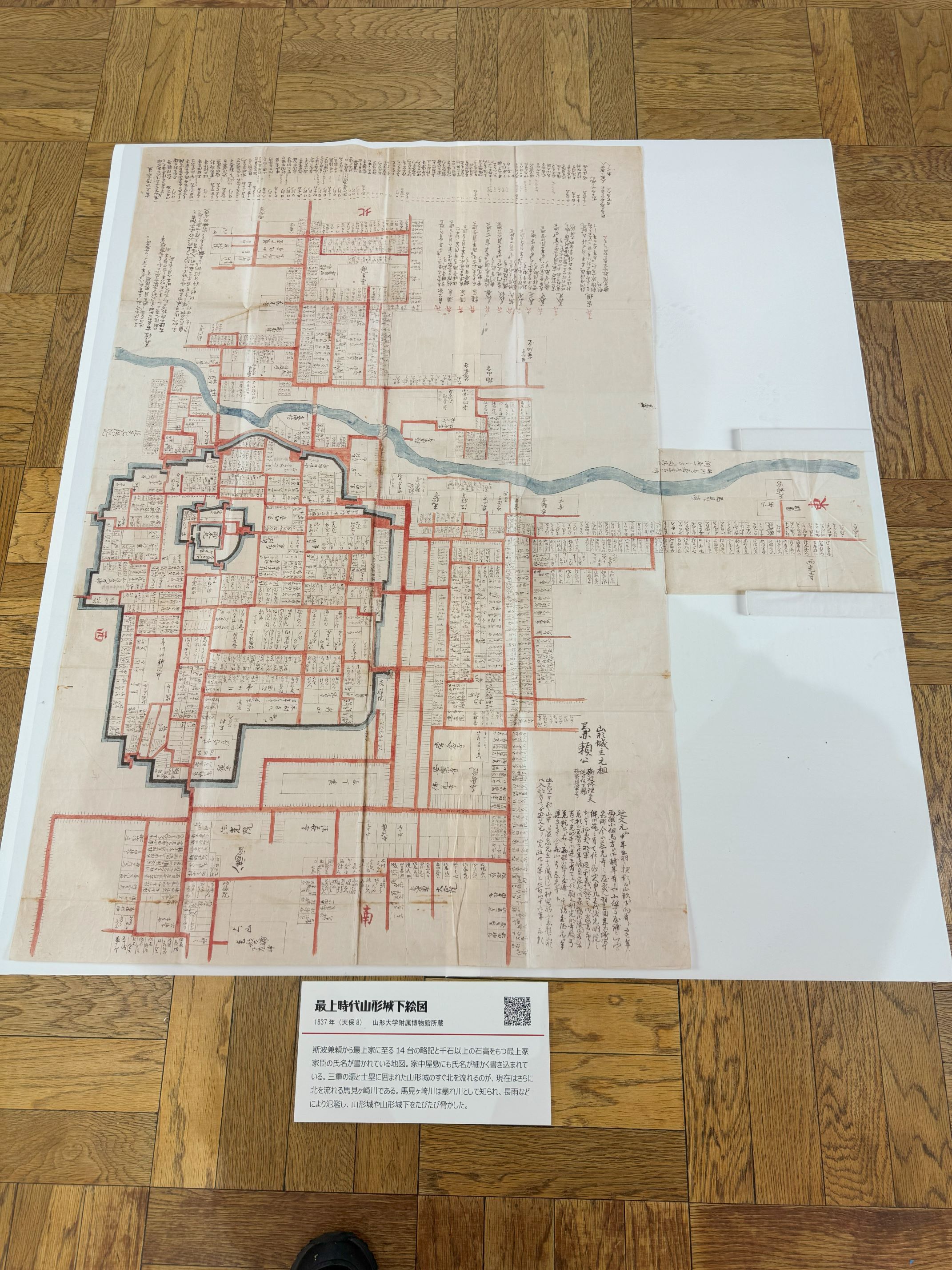
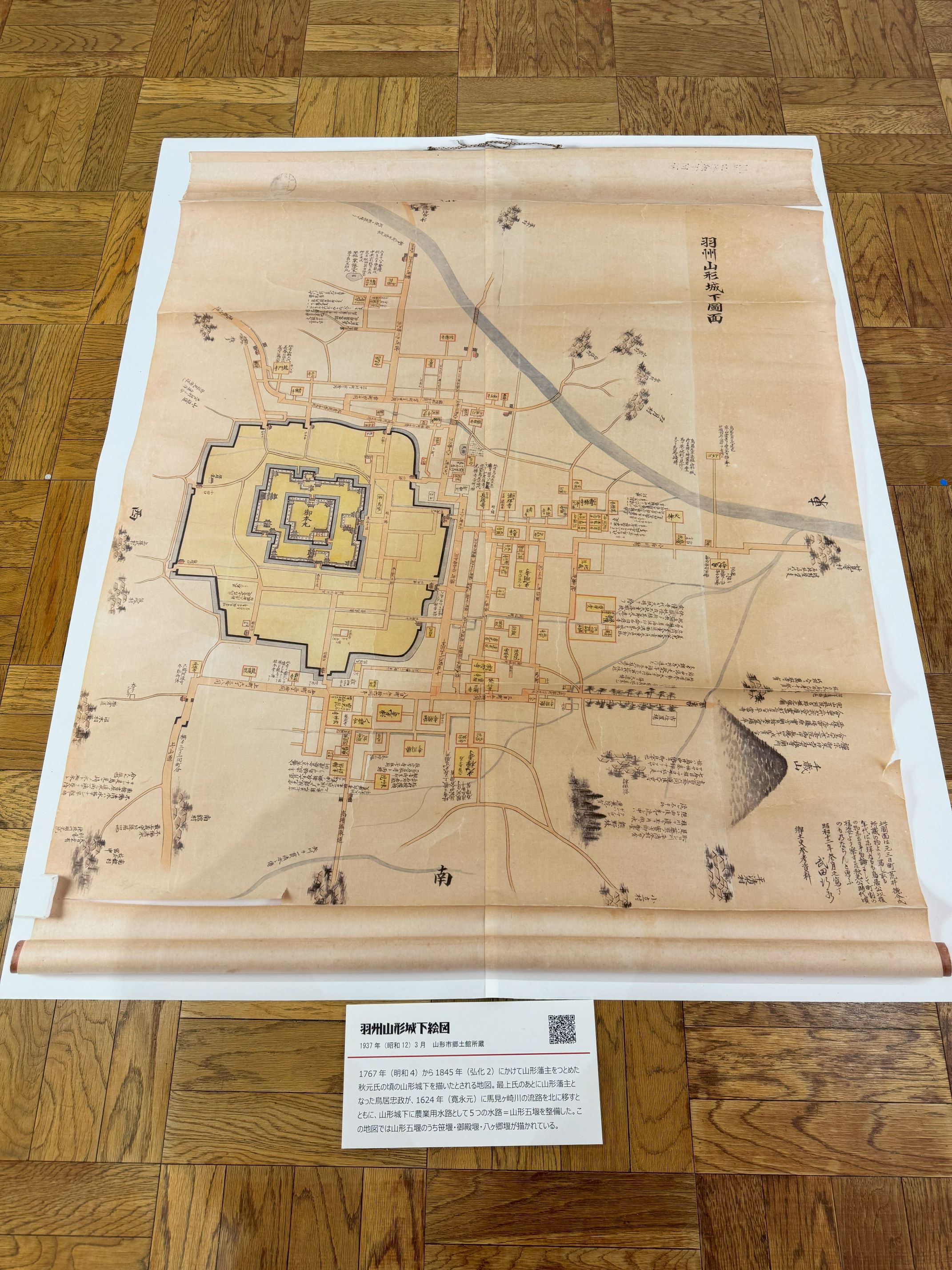
One particularly striking improvement this year involved the historical maps. In previous years they had been displayed vertically on wall panels, but this time they were enlarged to nearly A0 size and laid out on the floor. Previously, visitors may only have glanced casually at the maps because the details were difficult to see. This year, however, many people sat down to study the fine details carefully, even walking between maps to compare them side by side. I found myself doing exactly the same.
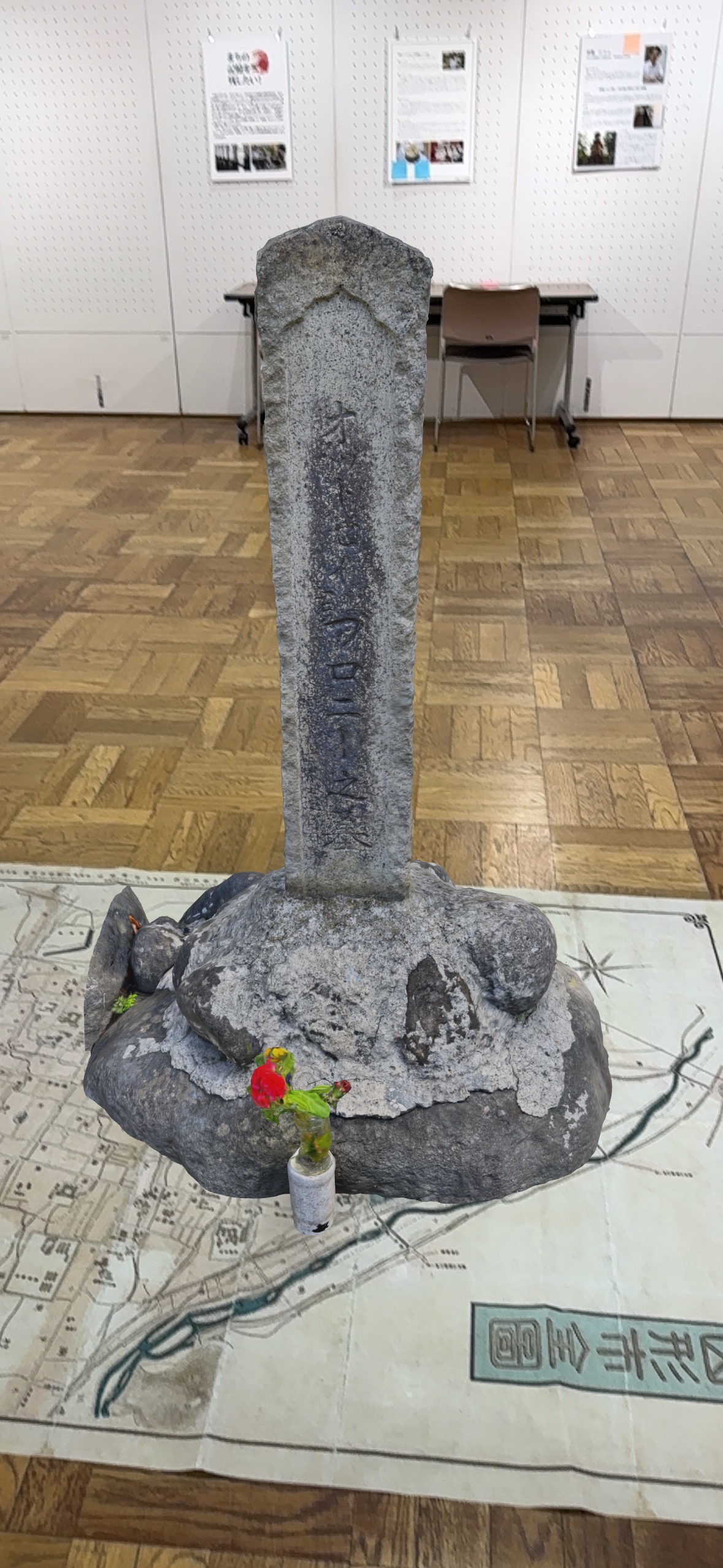
Each map also included QR codes so visitors could zoom in further on their smartphones, and one exhibit even used AR to display the grave of Brony-kun, a famous local seal. The combination of historical materials with modern digital technology made the exhibition especially engaging.
Juichiya Second Floor
On the second floor of Juichiya, a long-established confectionery shop beloved in the area, there was a special exhibition focusing on the Yamagata Five Canals (Yamagata Goseki).
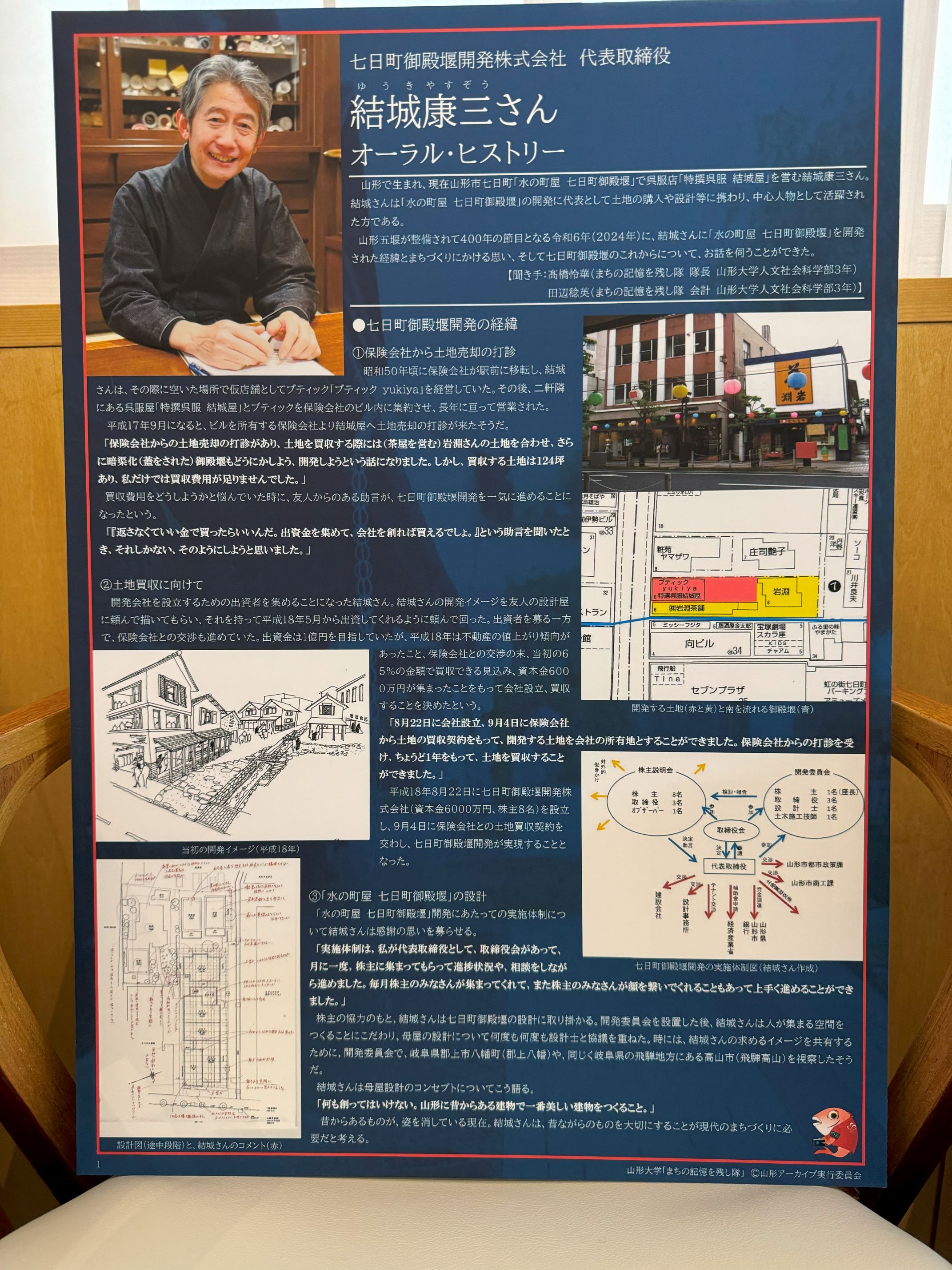
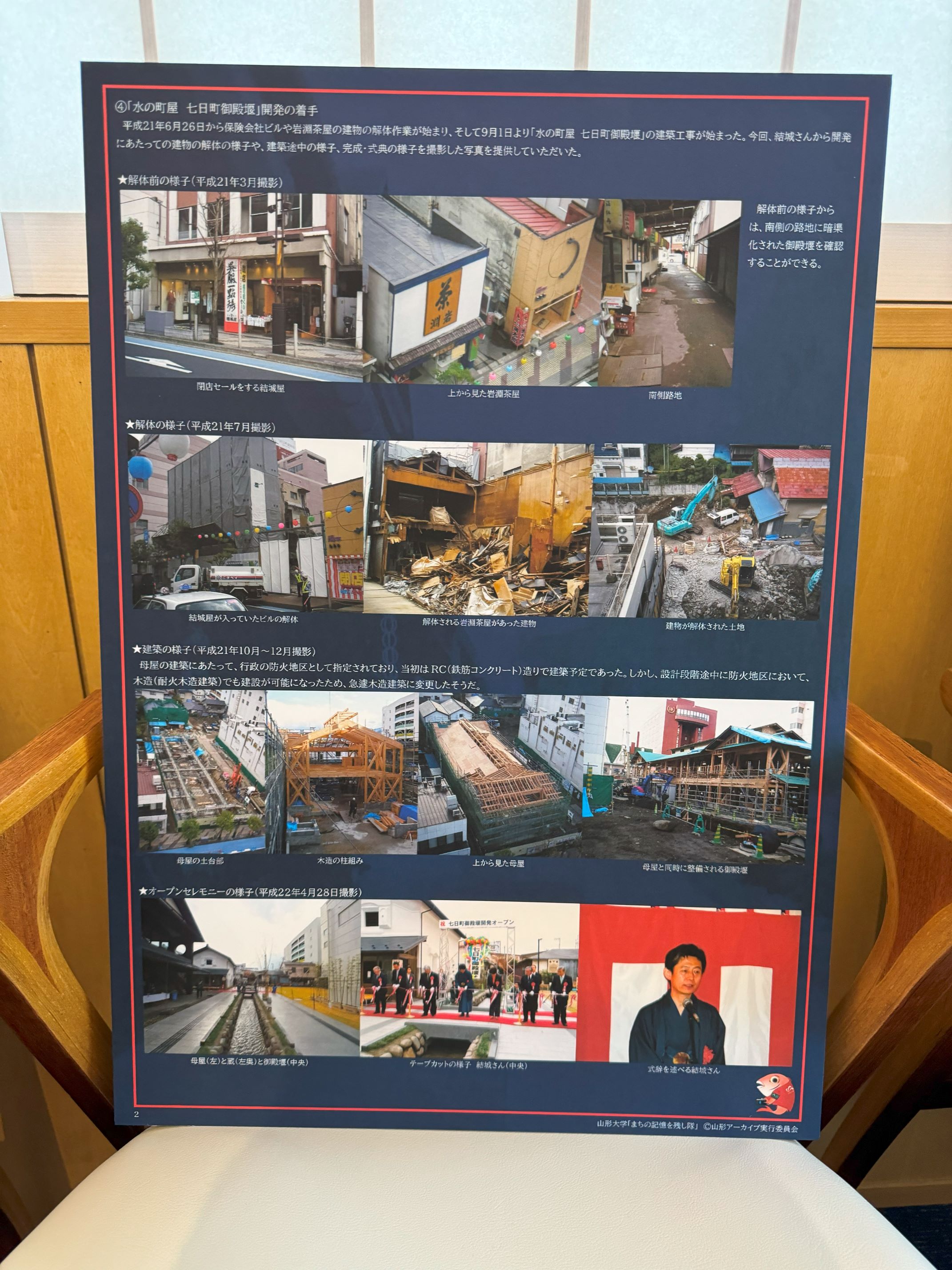
One highlight was an oral history interview with Mr. Yuki, who led the redevelopment of Gotenzeki Canal. Listening to him, I felt strongly that preserving history is important not only as an act of documenting the past, but also as something connected to the future we ourselves continue to create. Towns blessed with people who think this way — and with communities that support them — feel remarkably strong.
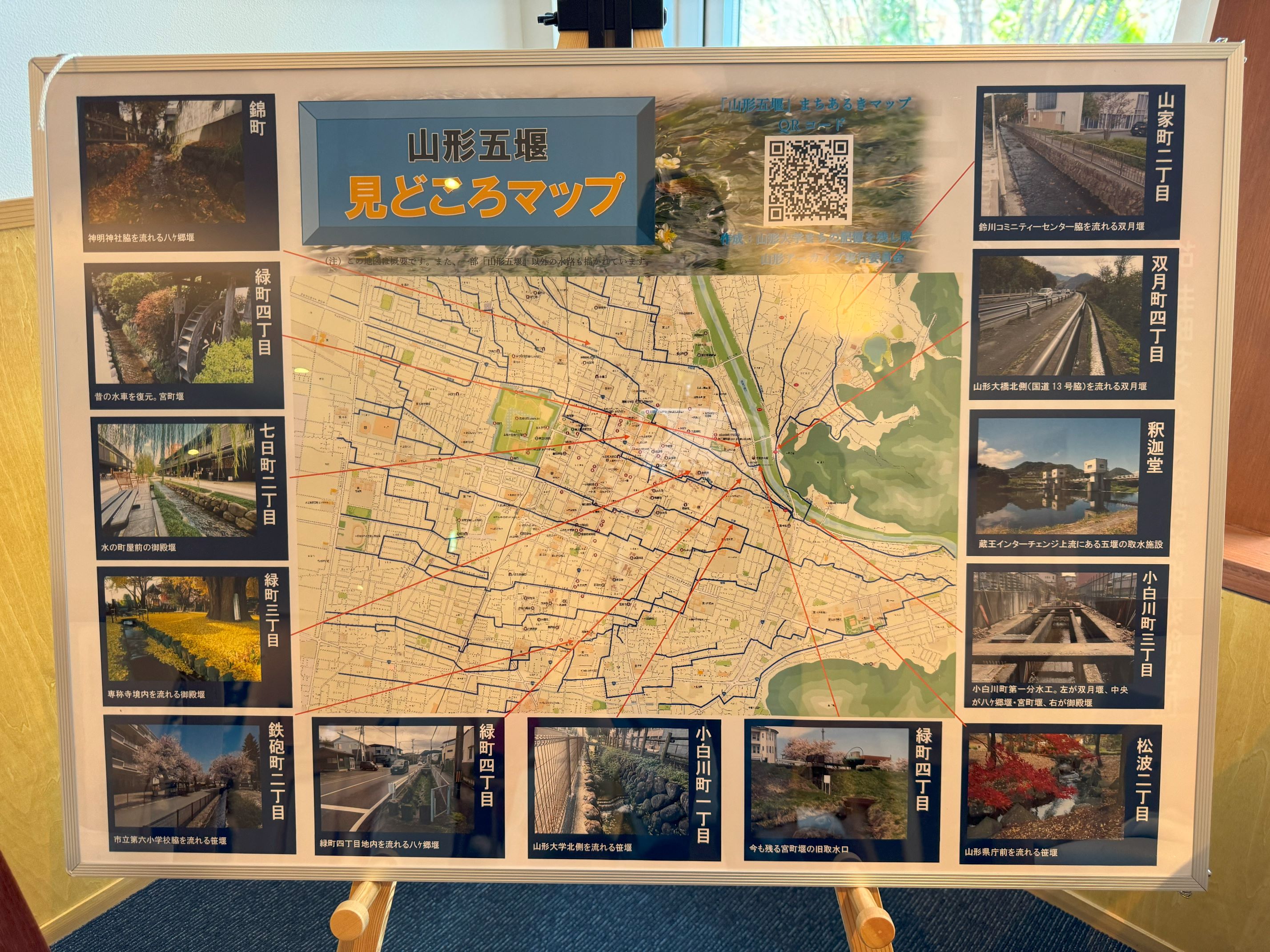
There was also a “Yamagata Five Canals Highlights Map.” Coincidentally, I had previously delivered a similar waterside heritage display system for a special exhibition at the National Museum of Japanese History in Sakura City. (The system was later relocated to Rekishiina Historical Exchange Museum in Masuda City and is scheduled for public web release soon.) Seeing this exhibit made me think it would be wonderful to create a similar system tailored for the Yamagata canals as well.
Presentations and Discussions
“Machi no Kioku o Nokoshitai” Presentations
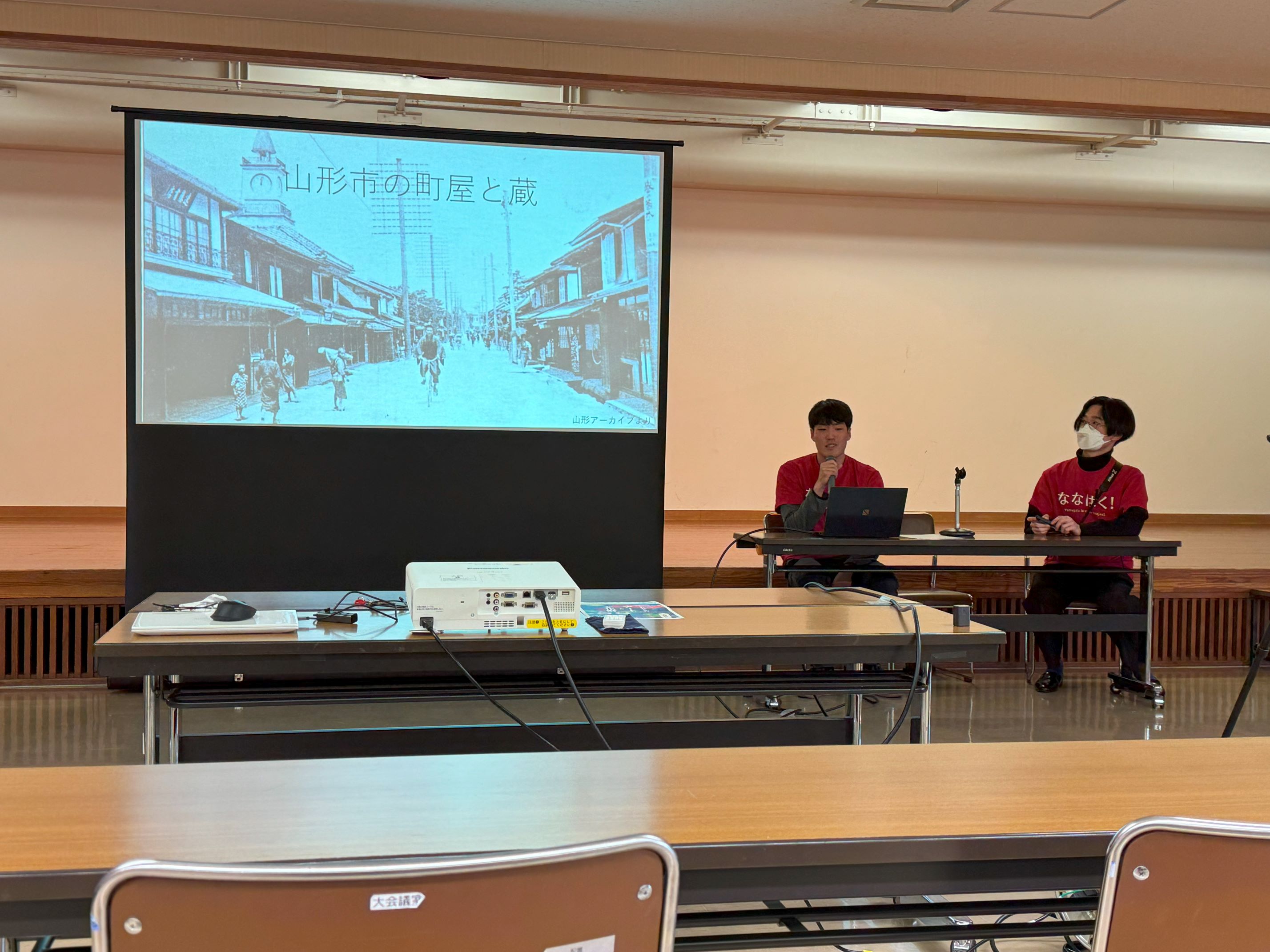
On February 17, Yamagata University students presented their research activities as part of the Machi no Kioku o Nokoshitai project. The morning session consisted of formal presentations, while the afternoon was held as an open discussion with audience participation.
- Townhouses and Storehouses in Yamagata
Yamagata is said to be a city rich in traditional storehouses (kura), and indeed I saw many beautiful examples during my visit. But what surprised me most was the density of their distribution when mapped out — comparable to the dense distributions of Jizo statues in Nara or Koshin and Tsukimachi monuments in Gunma that I personally study.
These structures truly form part of the face of the city and deserve comprehensive documentation.
The explanations about storehouse architecture were also fascinating, especially the details unique to snowy regions. I was particularly impressed by how thoroughly the students incorporated oral histories connected to individual buildings. My own fieldwork has not been as strong in oral history collection, so it was genuinely inspiring.
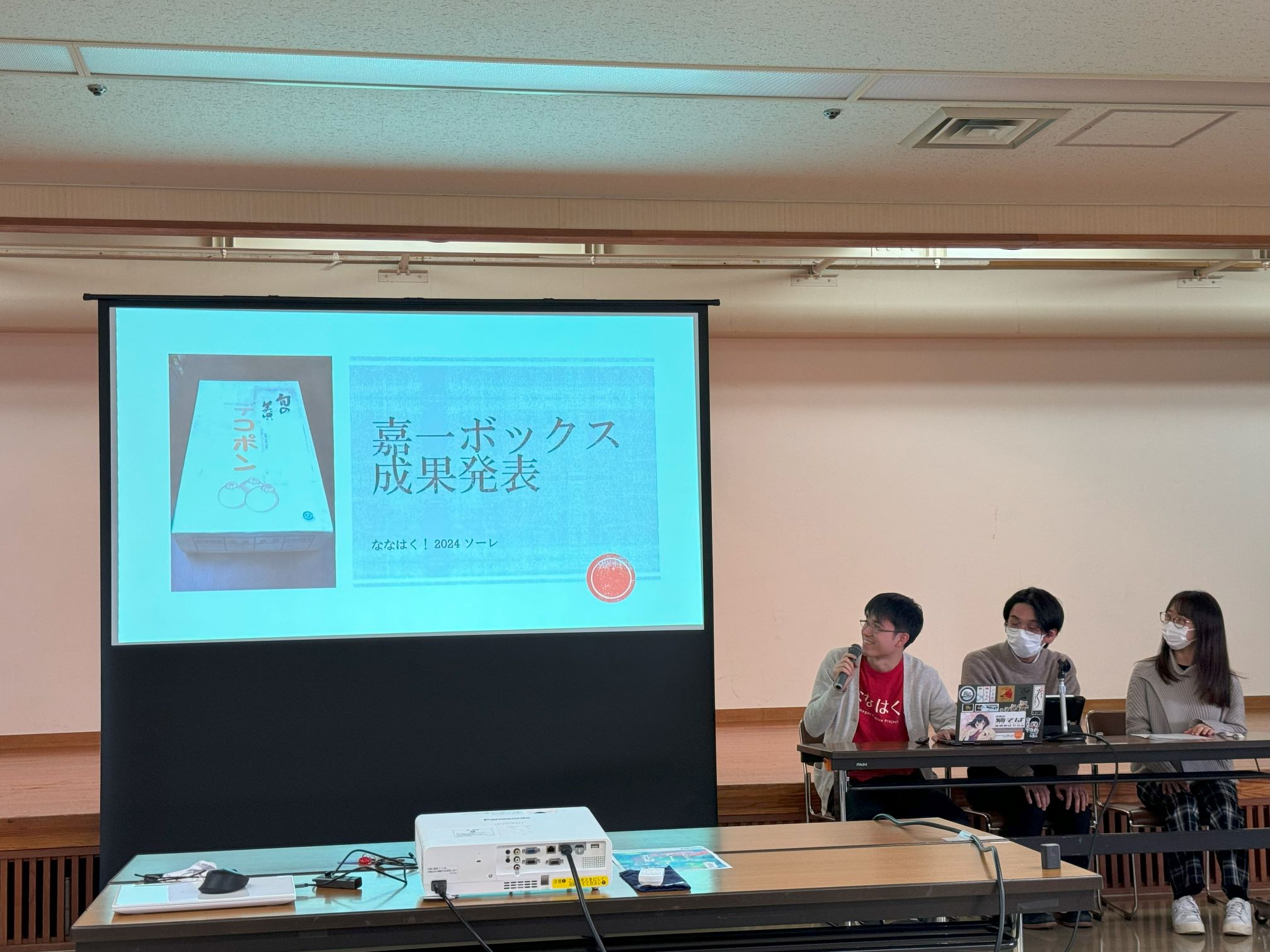
- Kaichi Box Research Presentation
Embarrassingly, before attending this presentation I had never fully understood why Yamagata was so enthusiastic about Brony-kun the seal.
I also had not known about local historian Kaichi Goto, nor about Daio (Great King).
Just as Nara has Noritaka Kitano and Tatebayashi in Gunma has Koretomo Kawashima, every region seems to have people who helped pioneer local historical research.
I immediately went to a used bookstore to purchase Kaichi Goto’s publications and submitted a reference request to the Yamagata Prefectural Library.
Thinking about the “Kaichi Box” — the collection of everyday historical materials he intentionally preserved for future generations — made me reconsider my own habits. Whenever I travel, I tend to collect flyers and pamphlets, but because my room was starting to resemble a hoarder’s house, I recently switched to scanning materials and discarding the originals whenever possible.
Now I’m wavering again. Maybe preserving the originals matters after all.
Well, unlike Kaichi Goto, I doubt anyone will care what I leave behind.
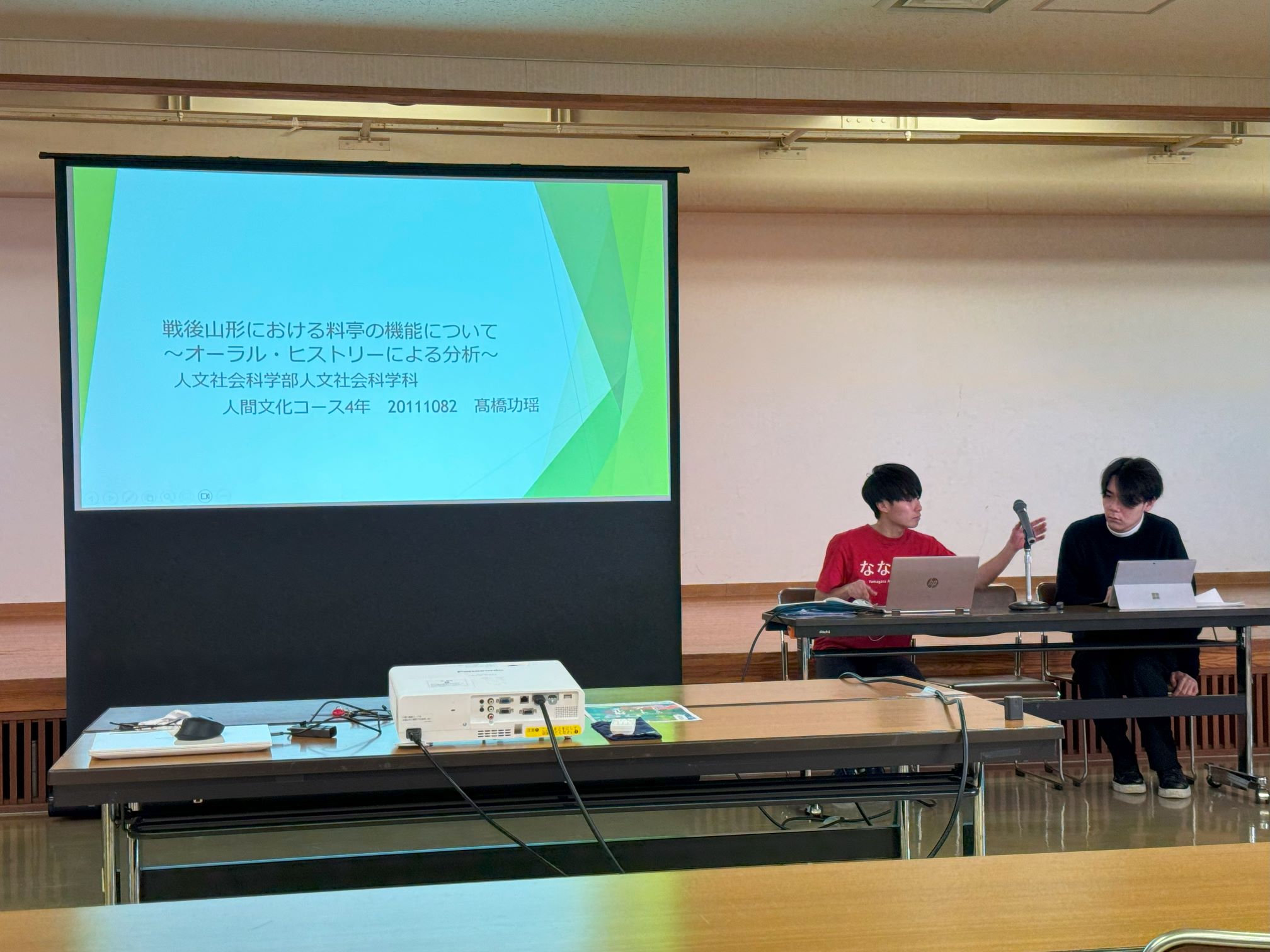
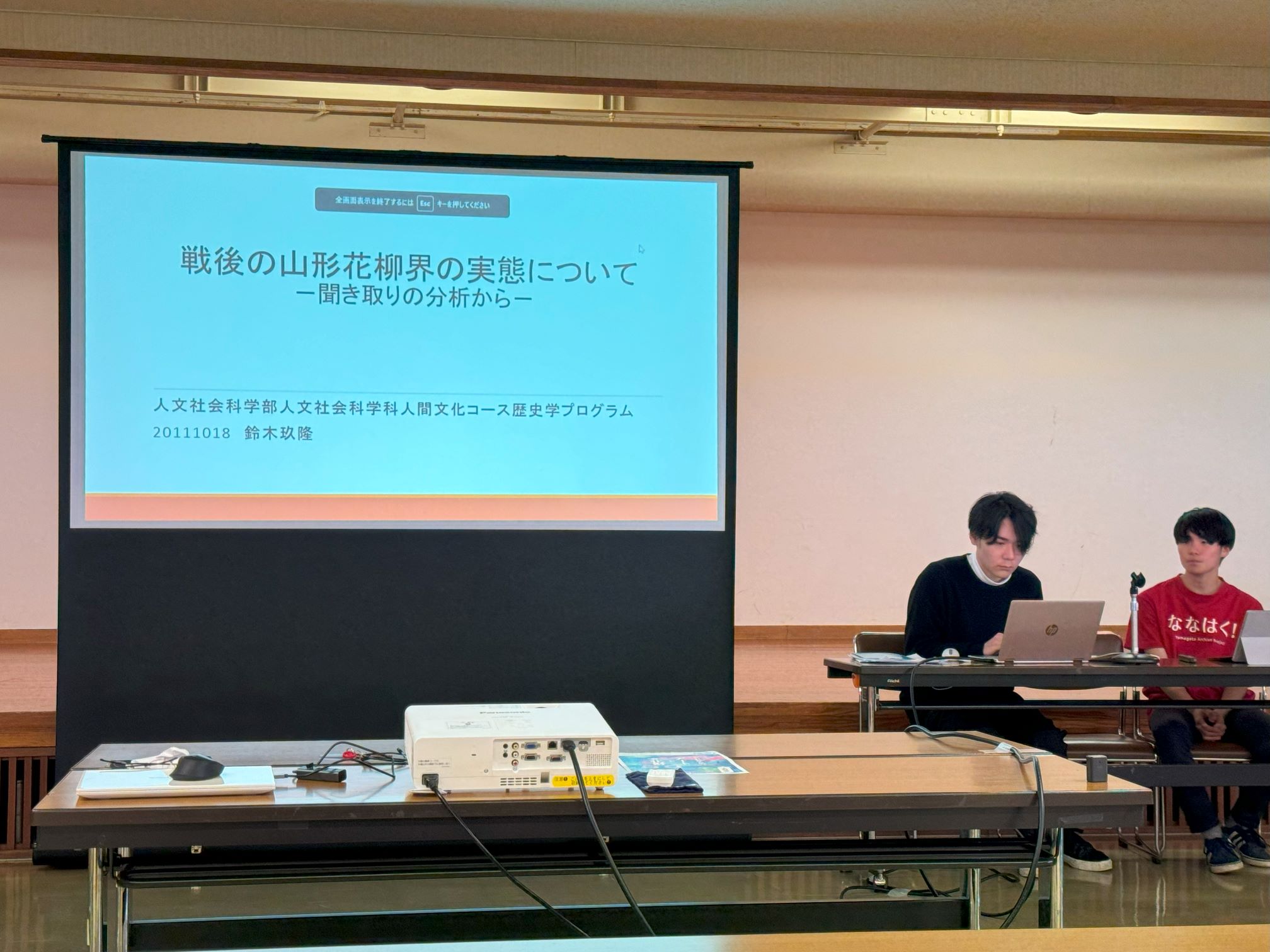
- Research on Ryotei and Geisha District Oral Histories
The next two presentations were undergraduate thesis presentations by fourth-year students.
Both focused on ryotei party house and geisha districts using oral history methods — apparently an approach that had not often been used in this field before.
The presentations carefully explored how ryotei functioned as extraordinary social spaces for ordinary townspeople. Another fascinating point was the argument that the decline of geisha districts was caused not primarily by cabarets, as people often assume, but rather by the spread of karaoke culture and the end of entertainment-based government receptions in later decades.
Through a combination of oral testimony and documentary research, the students reconstructed these changes in remarkable detail.
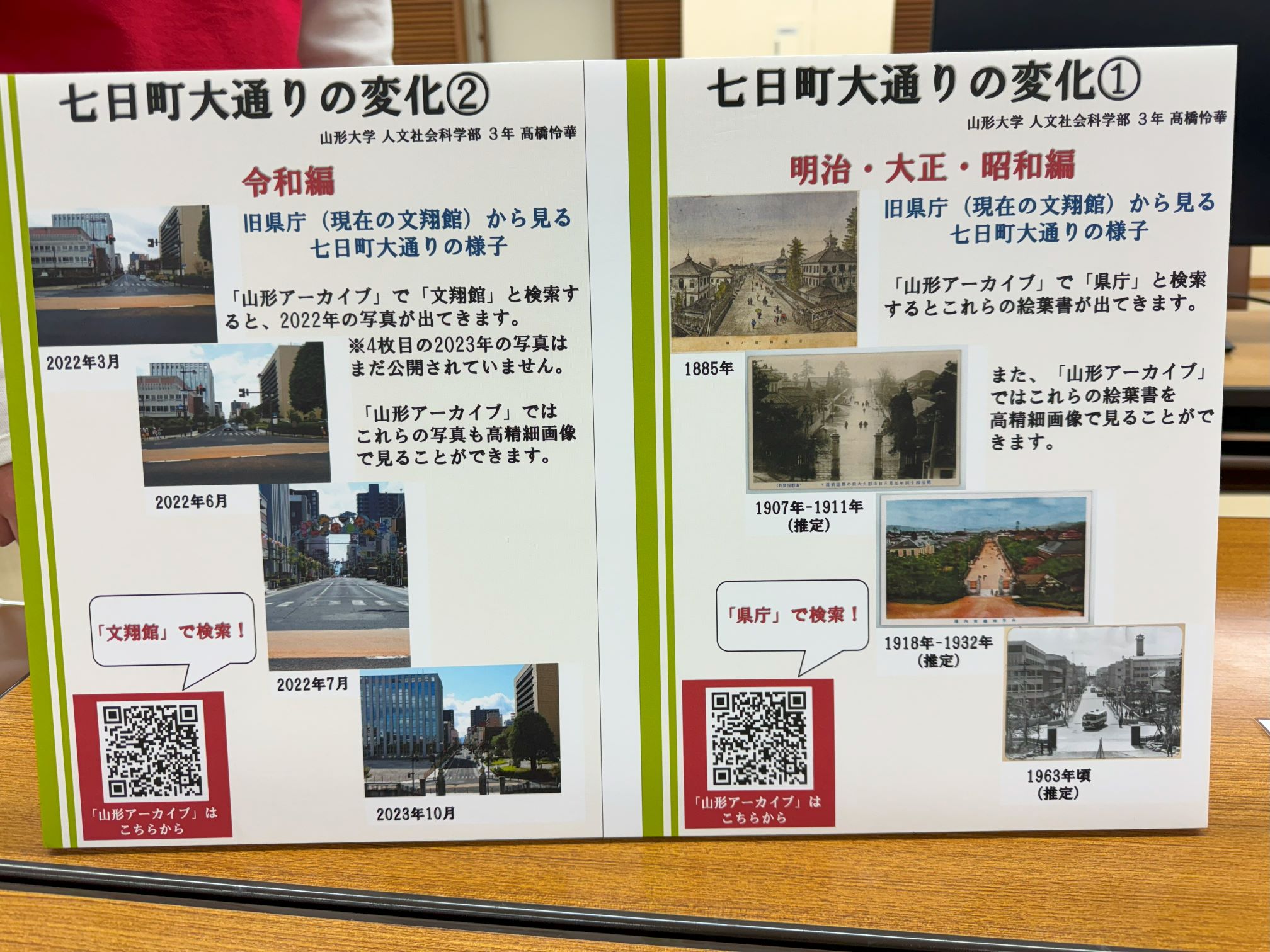
- Changes in Nanokamachi
I joined the afternoon session discussing the historical transformation of Nanokamachi.
Two elderly local residents participated, and I was able to hear many nostalgic stories — including memories of the former Yamagata Prefectural Hall, which had already disappeared before even the student researchers began their activities in the area.
Someone also brought an extremely beautiful bird’s-eye-view pamphlet of the Yamagata Five Canals that is apparently difficult to obtain today.
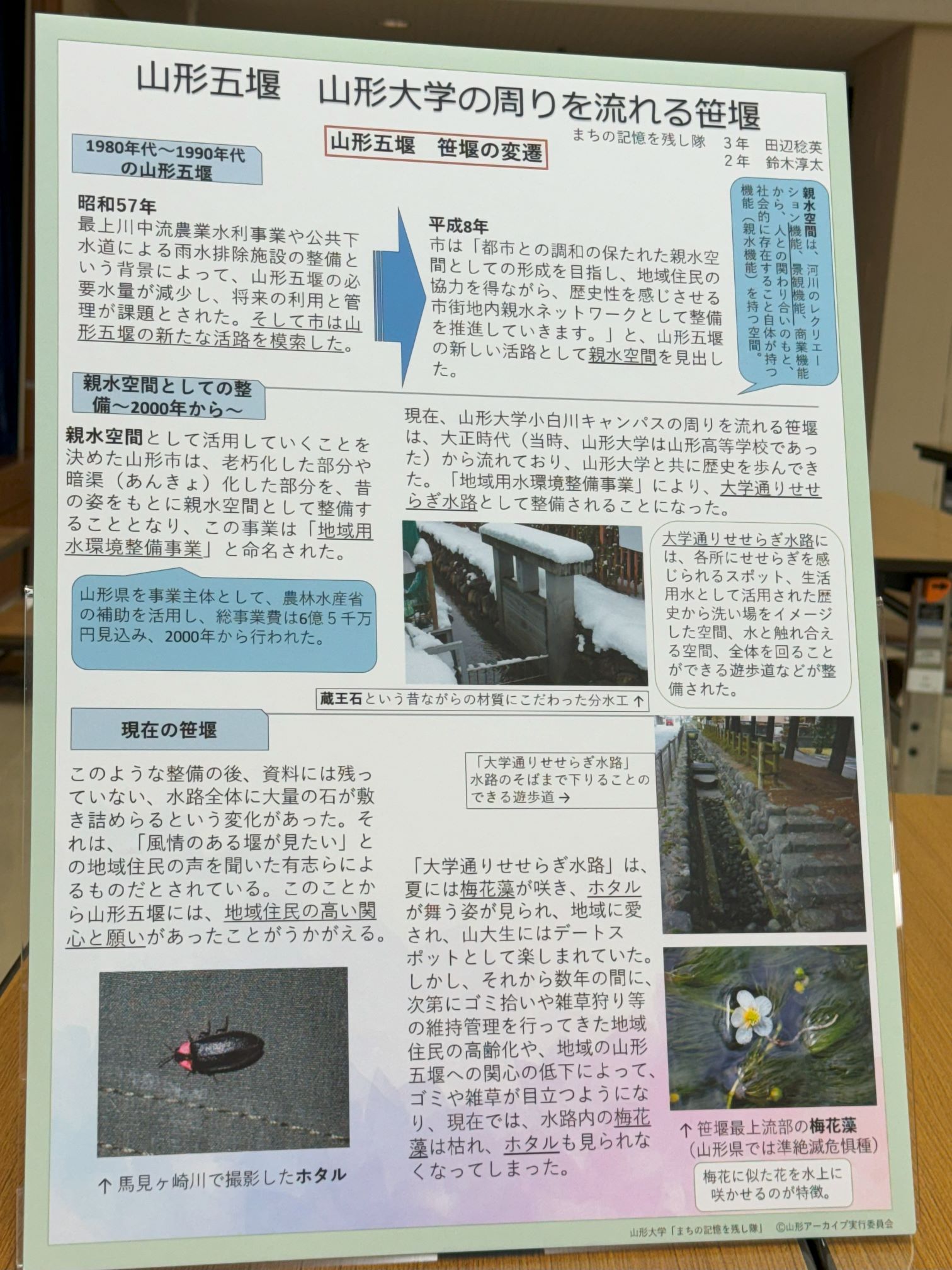
- Changes Along the Sasazeki Canal
Another session focused on the history of the Sasazeki Canal, the largest of the Five Canals.
The presentation traced the canal’s transition from an agricultural irrigation system to a recreational waterside space, followed by periods of declining maintenance and recent restoration efforts.
Because local elderly residents also participated in the discussion, many personal recollections emerged:
“Back then it really was like that.”
“No, the aquatic flowers were still visible at that time.”
and so on.
While the presenters appreciated the improvements made during the Heisei era, they also analyzed how some restoration choices — particularly stones placed along the canal bed — may have unintentionally encouraged weed overgrowth later on.
I was impressed by how deeply the students had thought through these issues.
Nanahaku Yose (Kodan and Rakugo - Traditional Storytelling Performances)
On the morning of February 18, I attended a yose performance featuring local Yamagata storytellers performing Kodan and Rakugo.
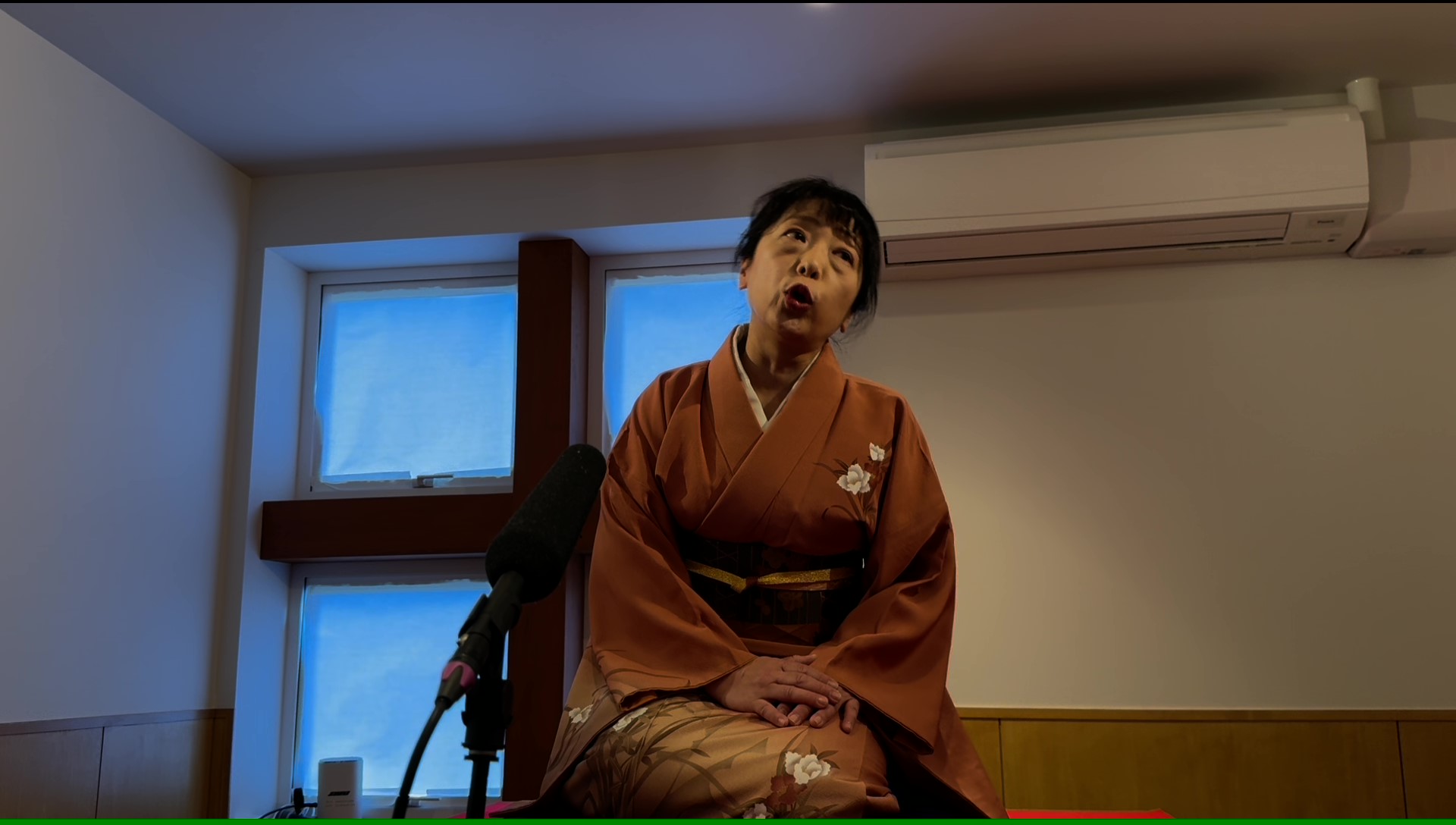
The Kodan performance, “The Flowing History of the Yamagata Five Canals,” was performed by the female student storyteller Hoshotei Yusui. Her storytelling was incredibly vivid. During the sections about the Mogami clan, I almost felt as though I were listening to a full biography of Mogami Yoshiaki himself. When the story shifted to Torii Tadamasa, I momentarily thought:
“Wait, where did the Mogami family go?”
before remembering that the focus was Yamagata itself.
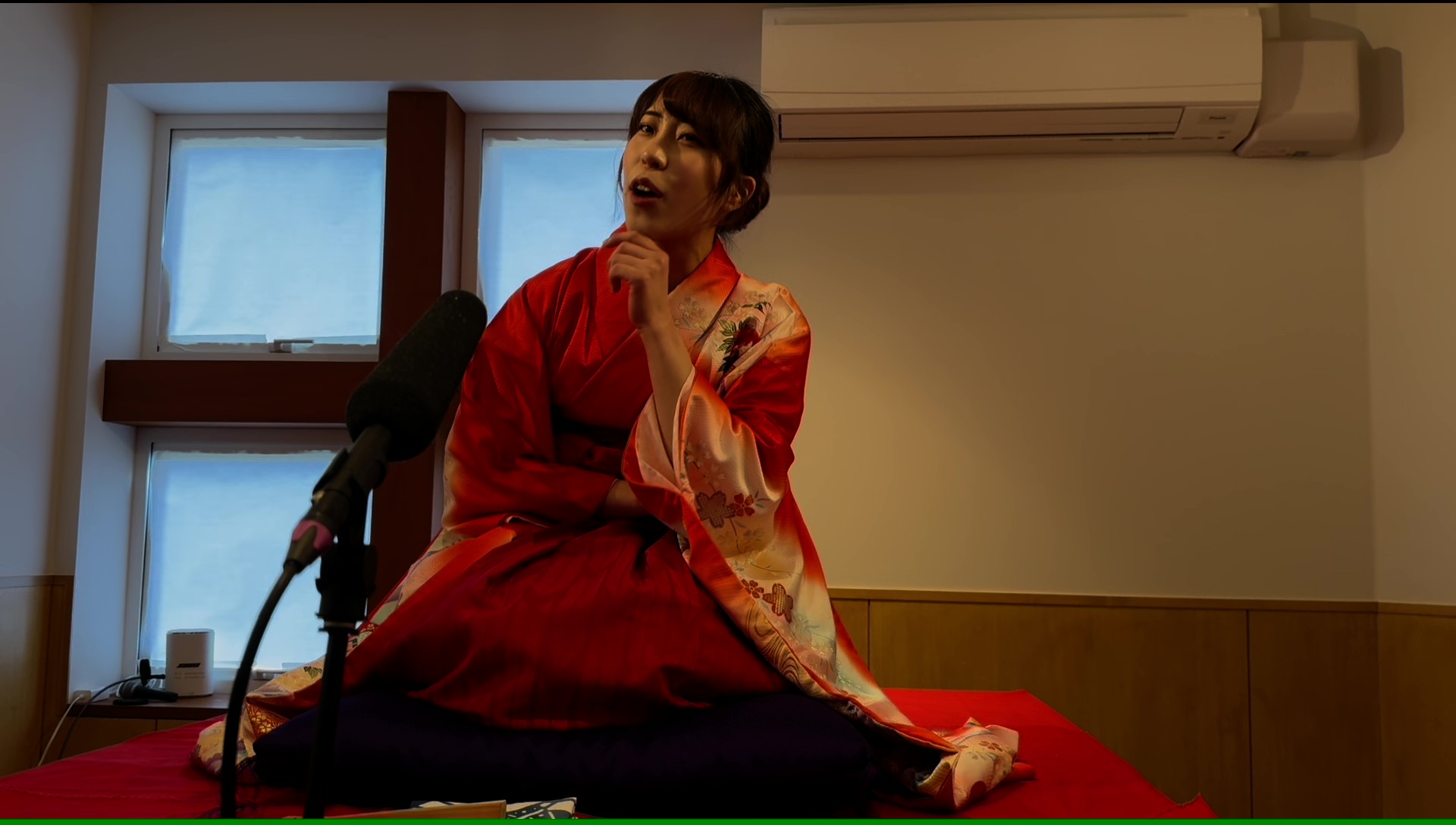
The Rakugo performances included Temizu Mawashi by the female storyteller Hoshotei Usagin and Mizuya no Tomi performed again by Yusui.
In Temizu Mawashi, the setting had been cleverly adapted to Yamagata, complete with beautiful Yamagata dialect. The performance felt wonderfully warm and charming.
Both performances had the audience laughing constantly.
Listening to the Town’s Memories
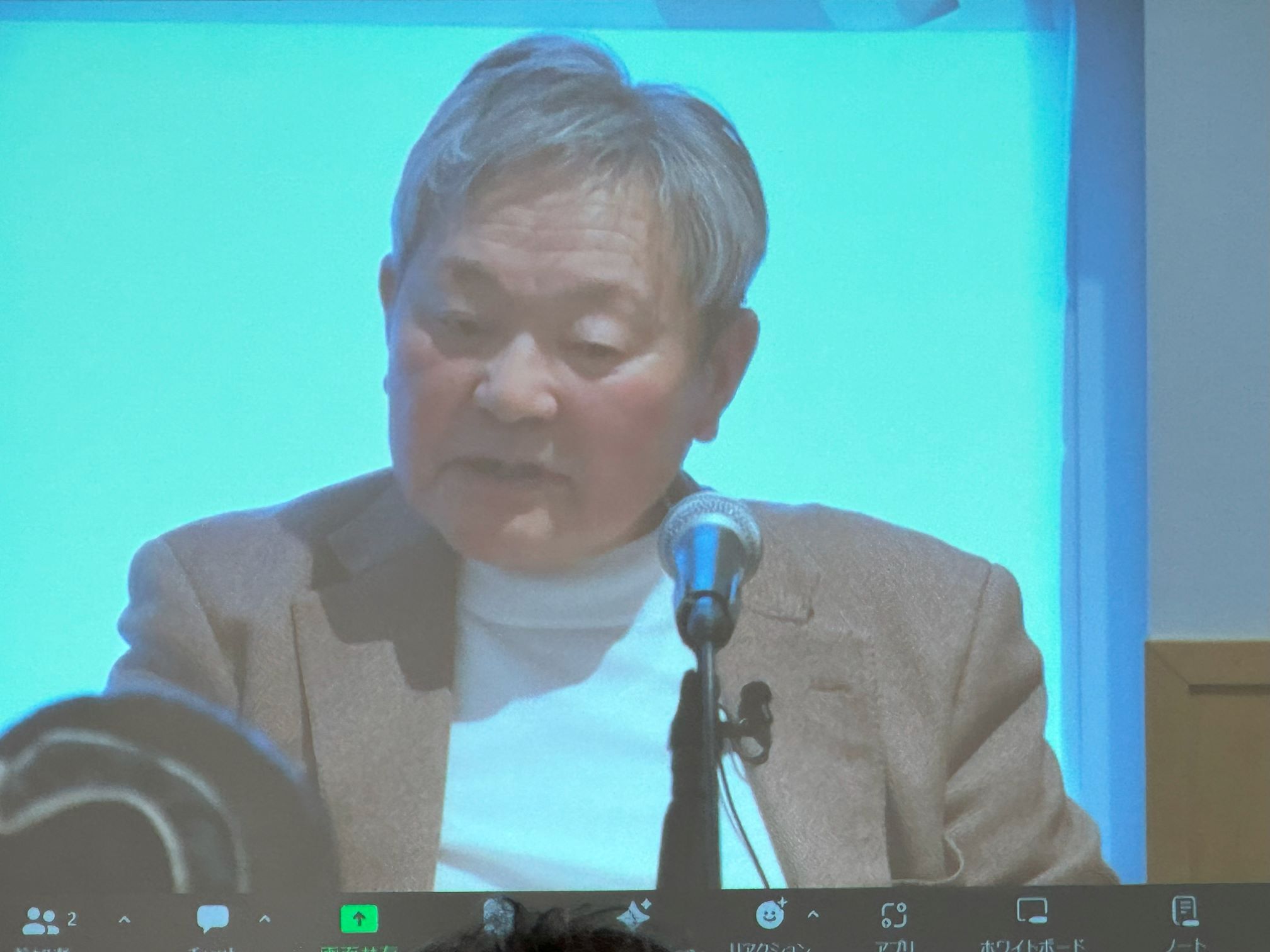
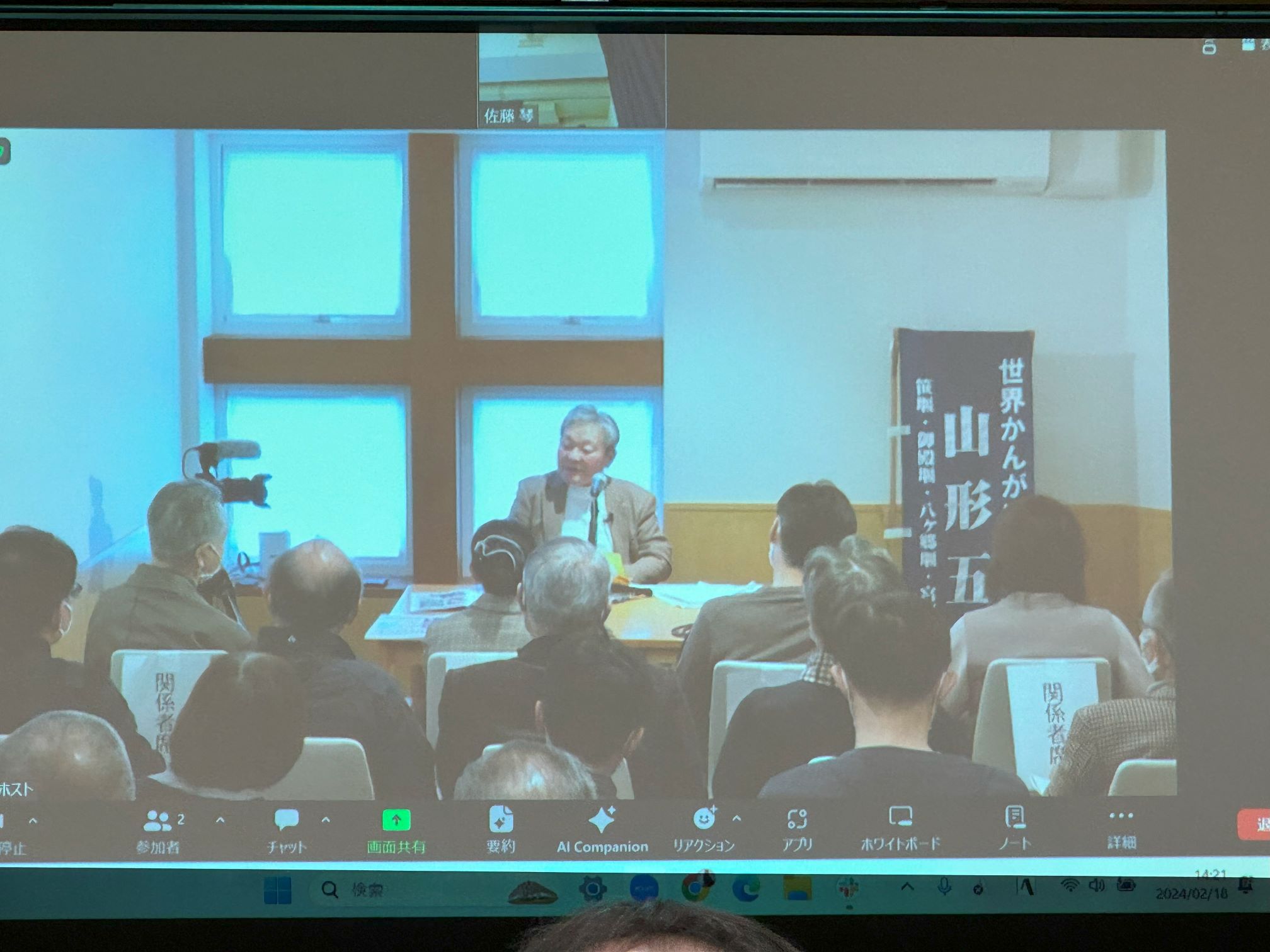
On the afternoon of February 18, there was a talk by Akio Sato, who had long been involved in managing the Yamagata Five Canals.
Unfortunately, the second floor of Juichiya was completely full, so I watched via remote livestream from the Central Community Center instead.
He shared many fascinating stories, including how the local word for “diverting water (seki)” eventually became the very name for the canals themselves, and the difficulties faced when villages belonging to different feudal domains were merged into a single municipality during the Meiji period.
Other Notes from My Visit to Yamagata
Although I thoroughly enjoyed the Nanahaku events themselves, I also spent time exploring Yamagata City between sessions.
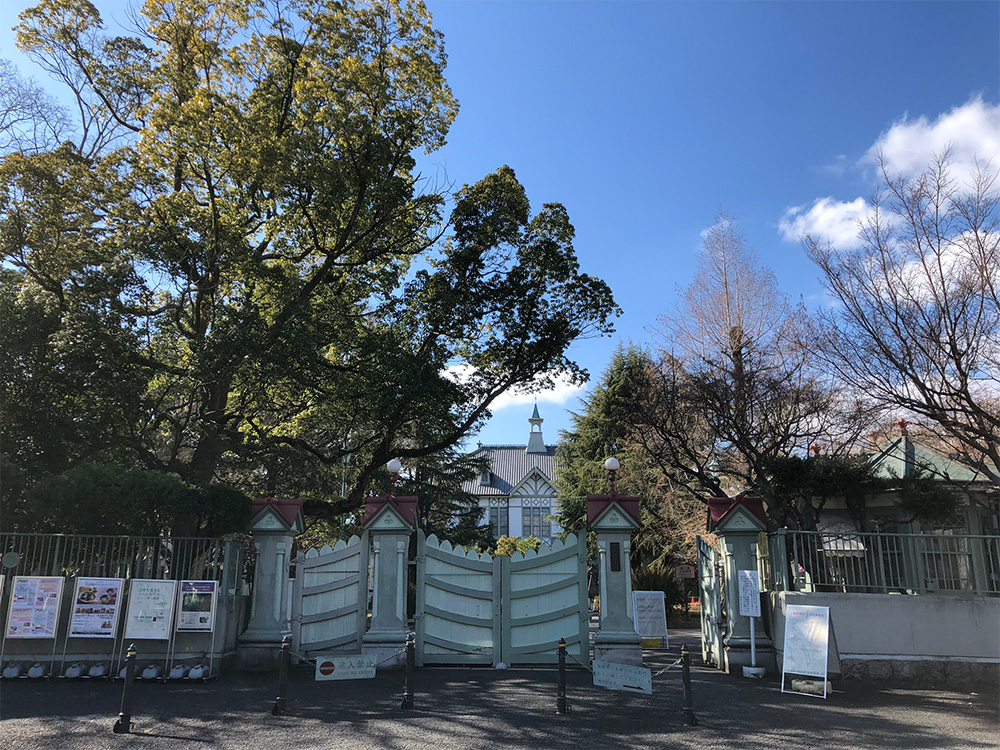
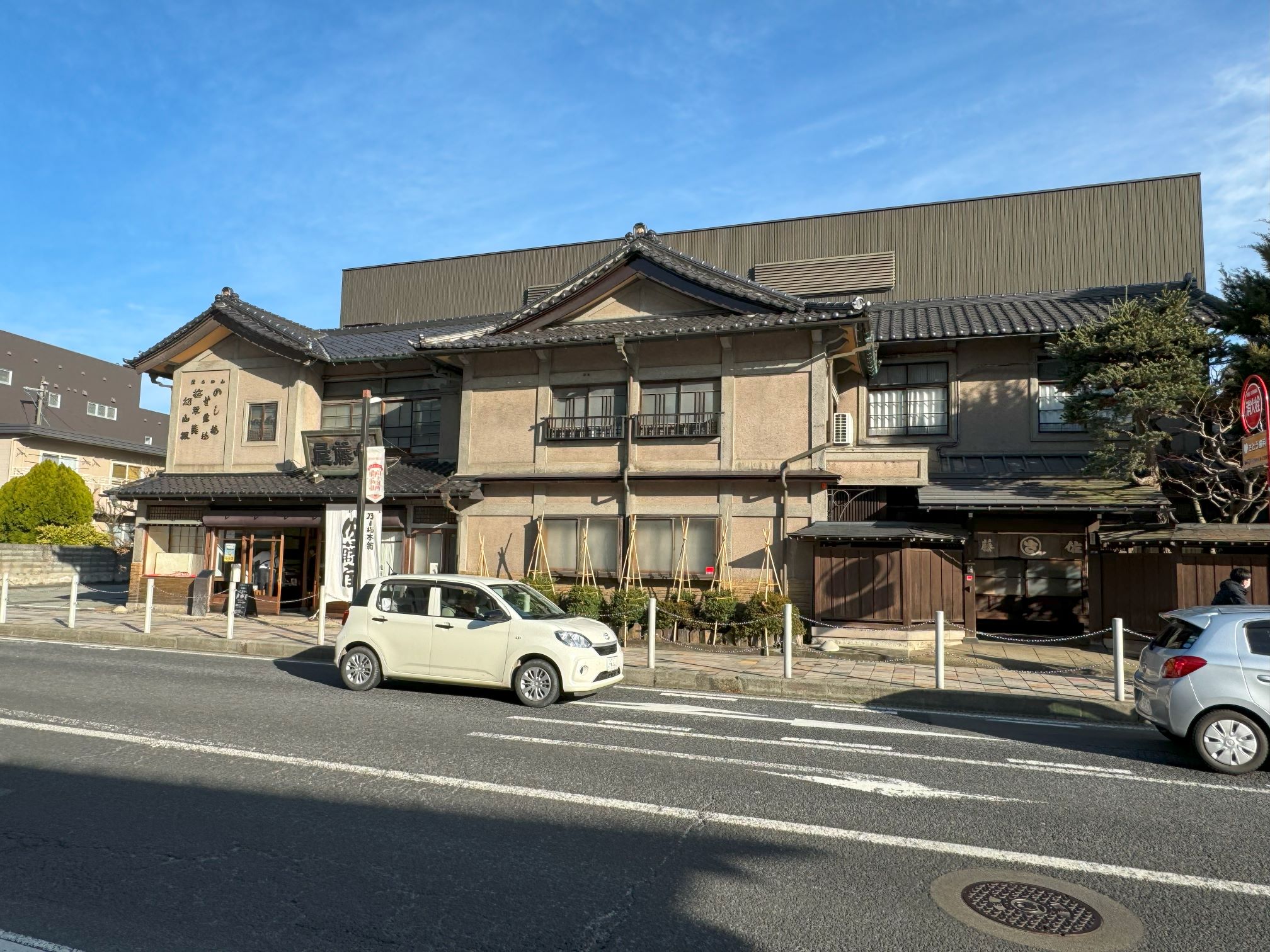
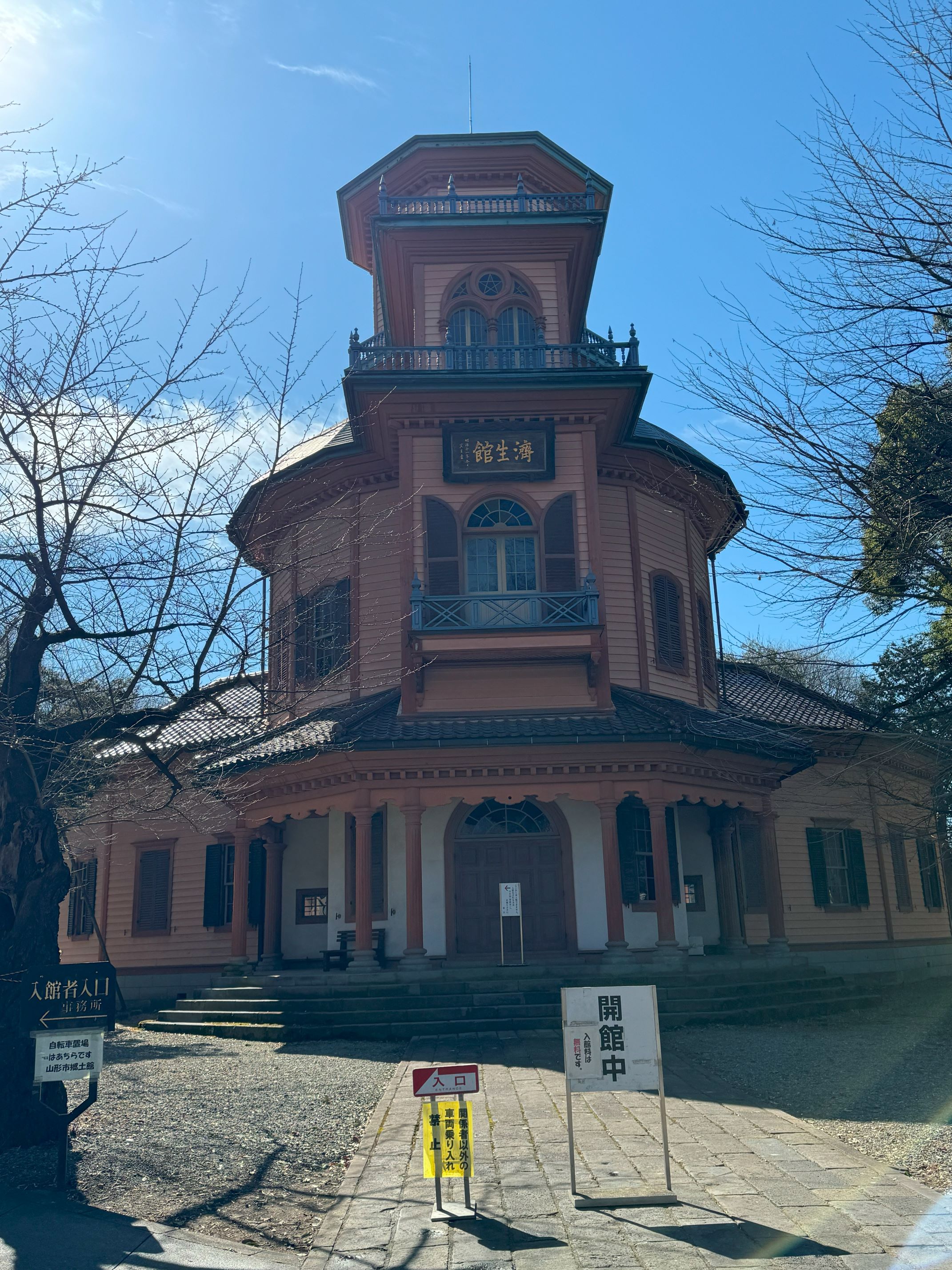
I finally managed to visit places I had long wanted to see, including the confectionery shop Noshiume Honpo Satoya and the Yamagata City Local History Museum housed in the former Saiseikan Hospital building.
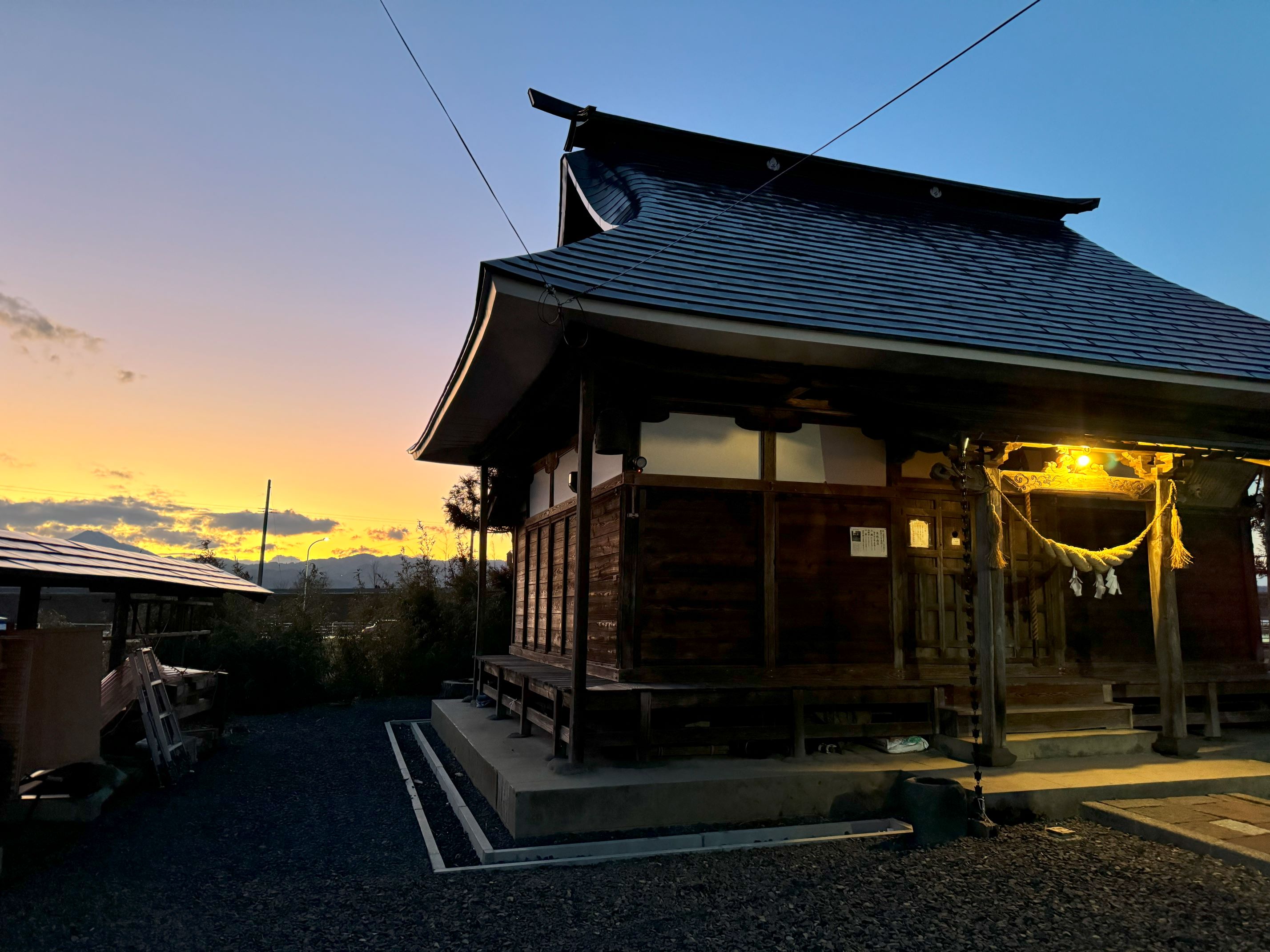
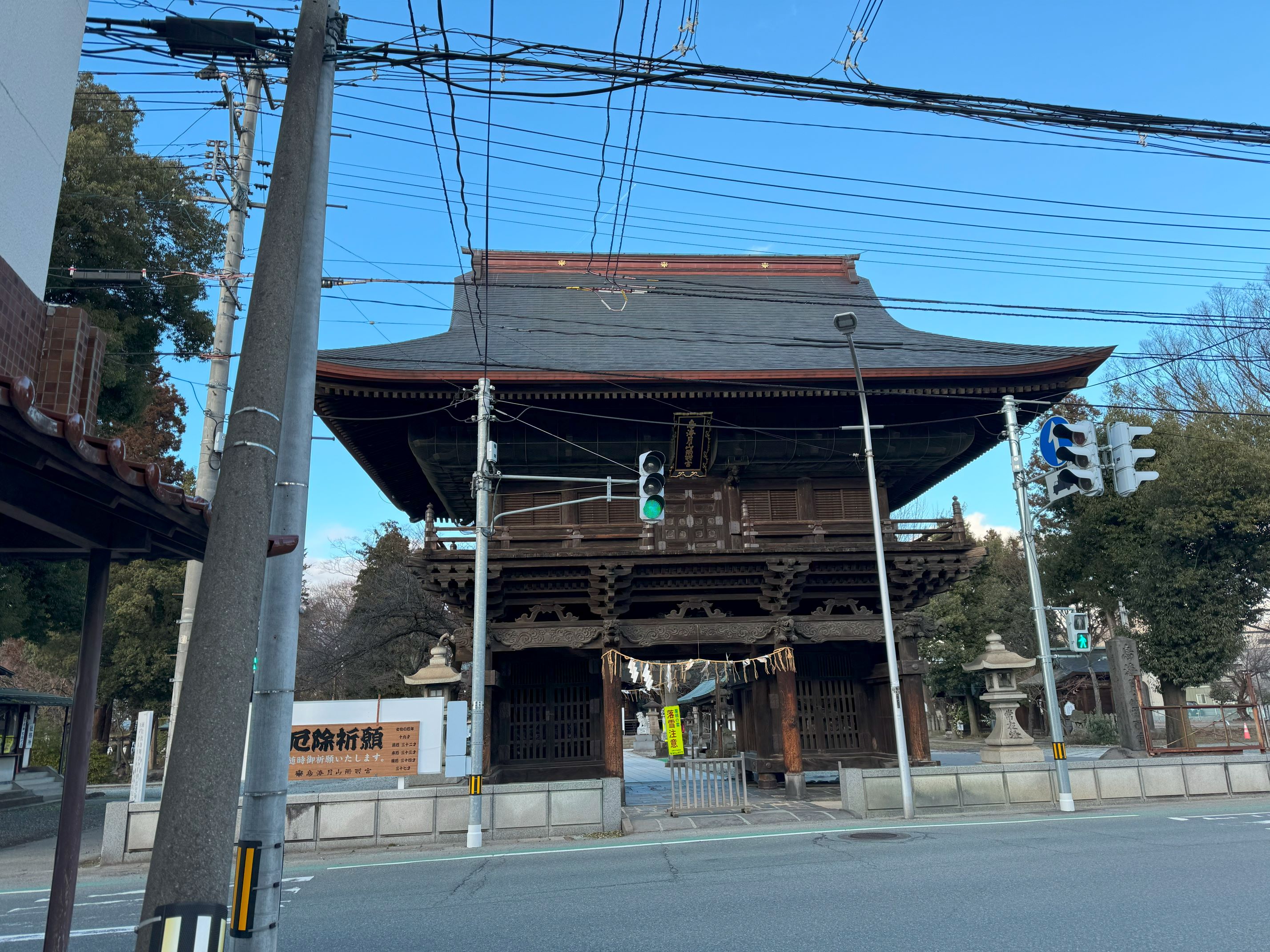
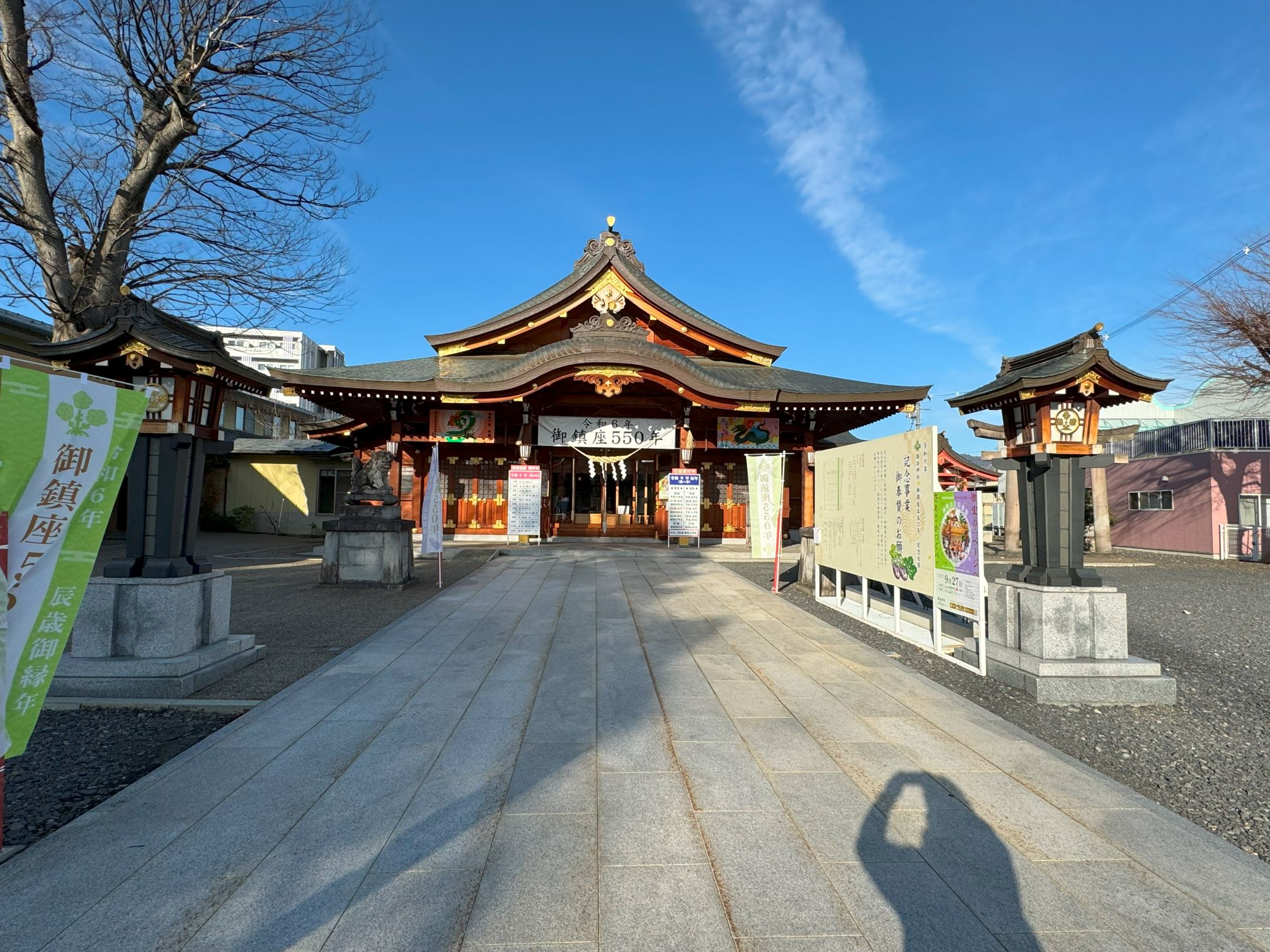
I also visited the major shrines Chokai Gassan Ryosho-gu Shrine and Suwa Shrine.
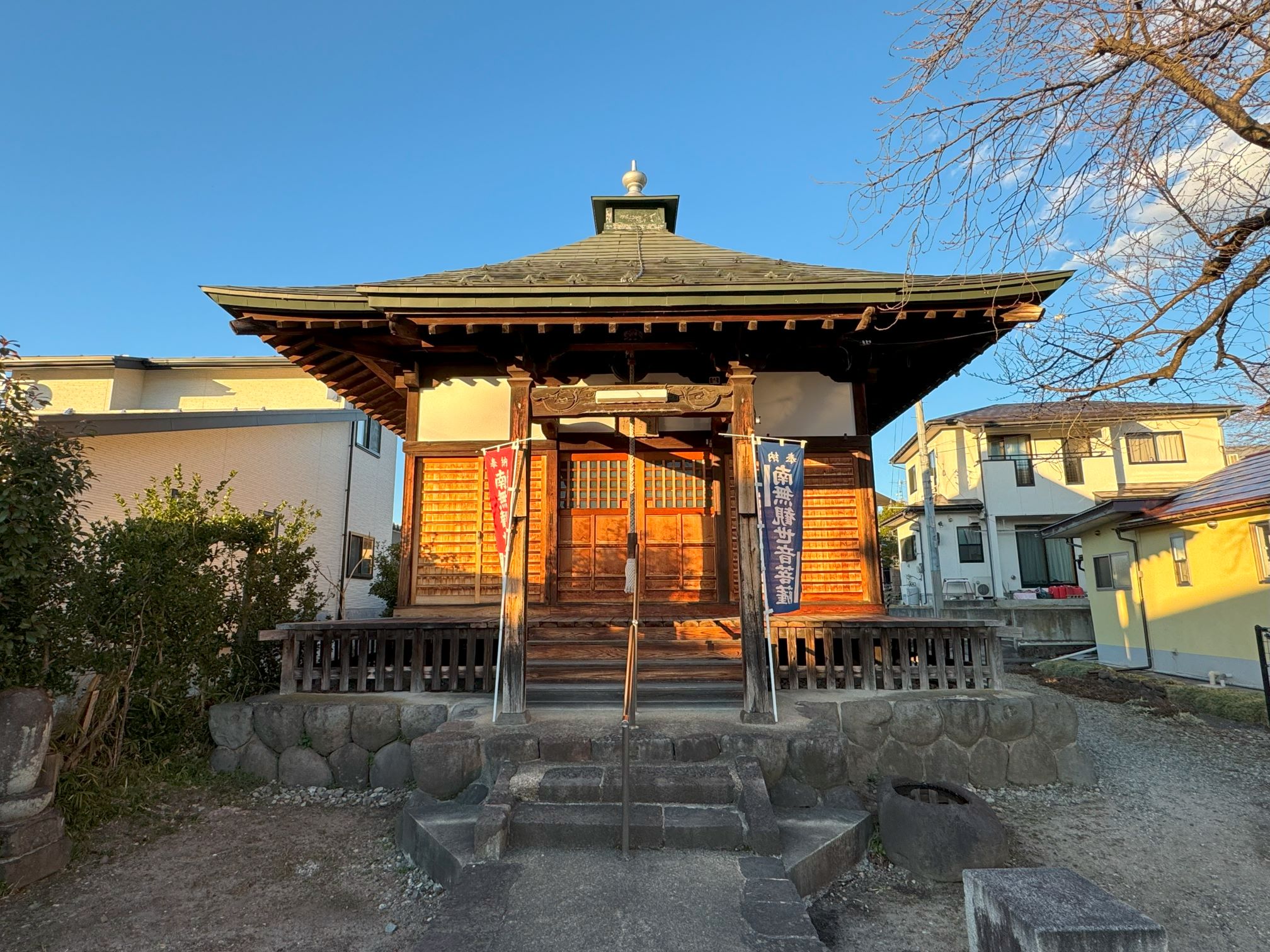
As part of Code for History’s collaboration with the Stone Monument Informatics Society, I also conducted fieldwork documenting stone monuments around Yamagata City, including Koshin monuments, Tsukimachi monuments, and Dewa Sanzan monuments.
Since very few survive in the city center itself, I traveled north toward Domachi and Miyamachi, west toward Kami-Kunugisawa and Shimo-Kunugisawa, and south toward Konidamachi in search of them.
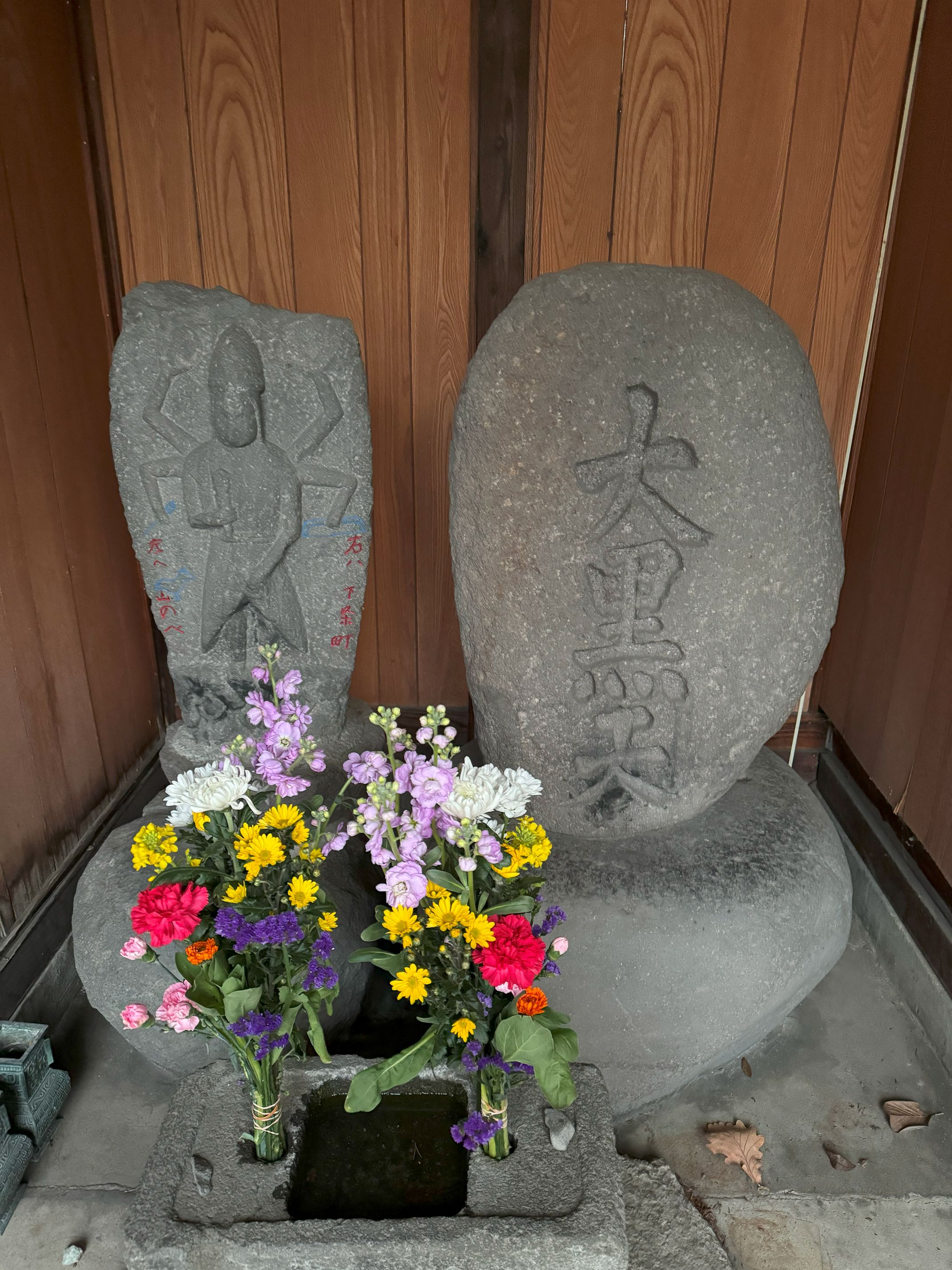
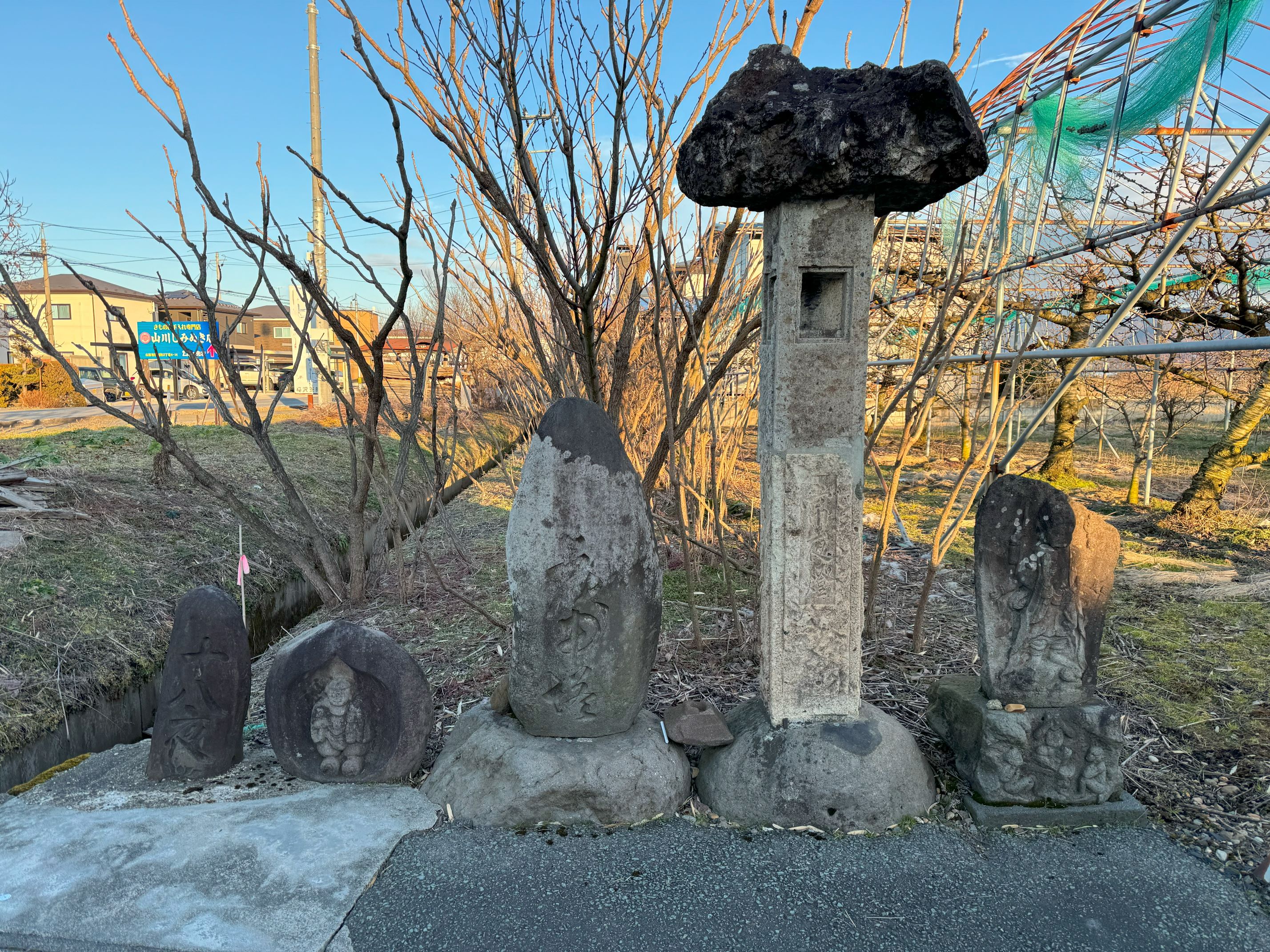
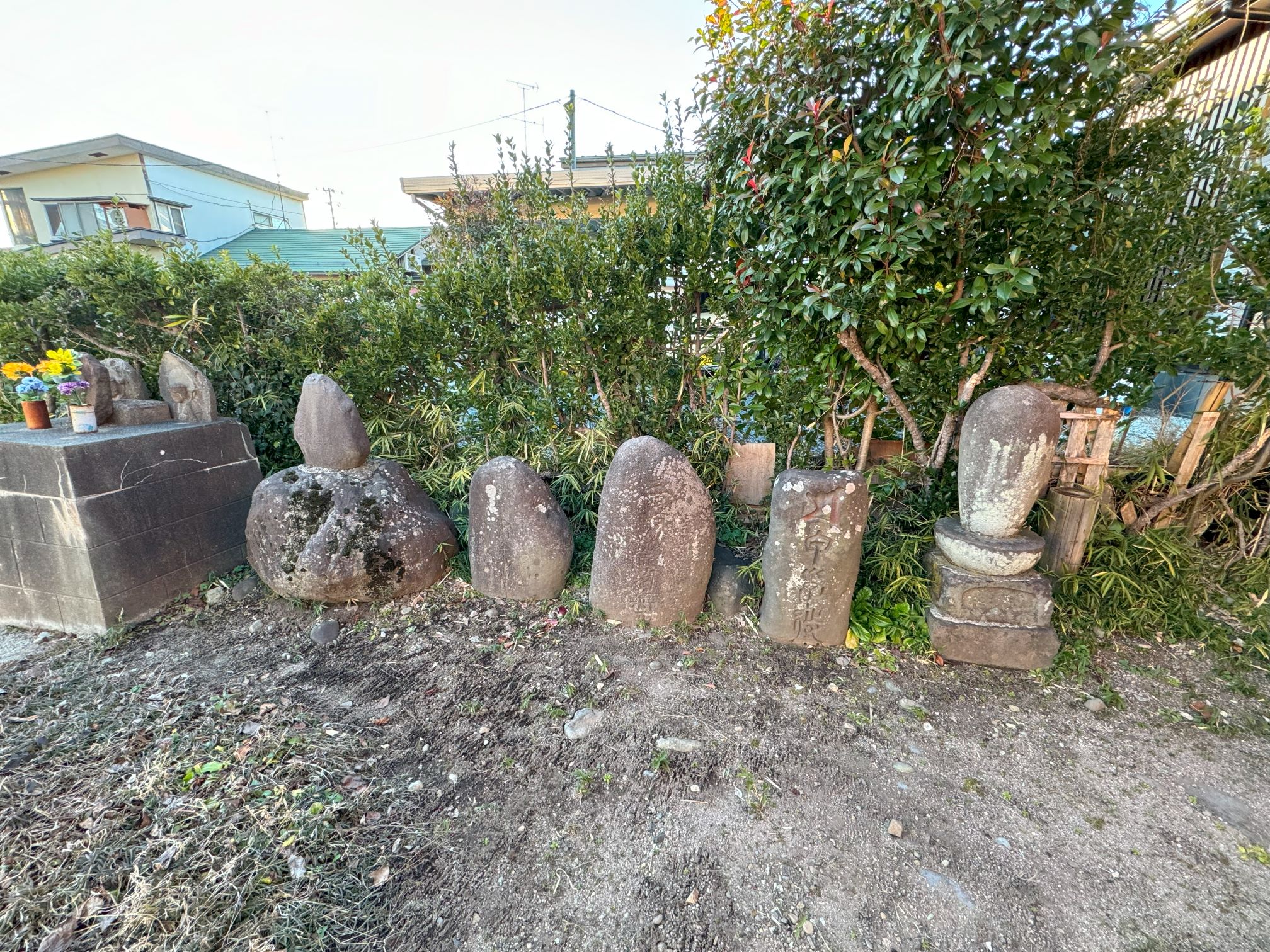
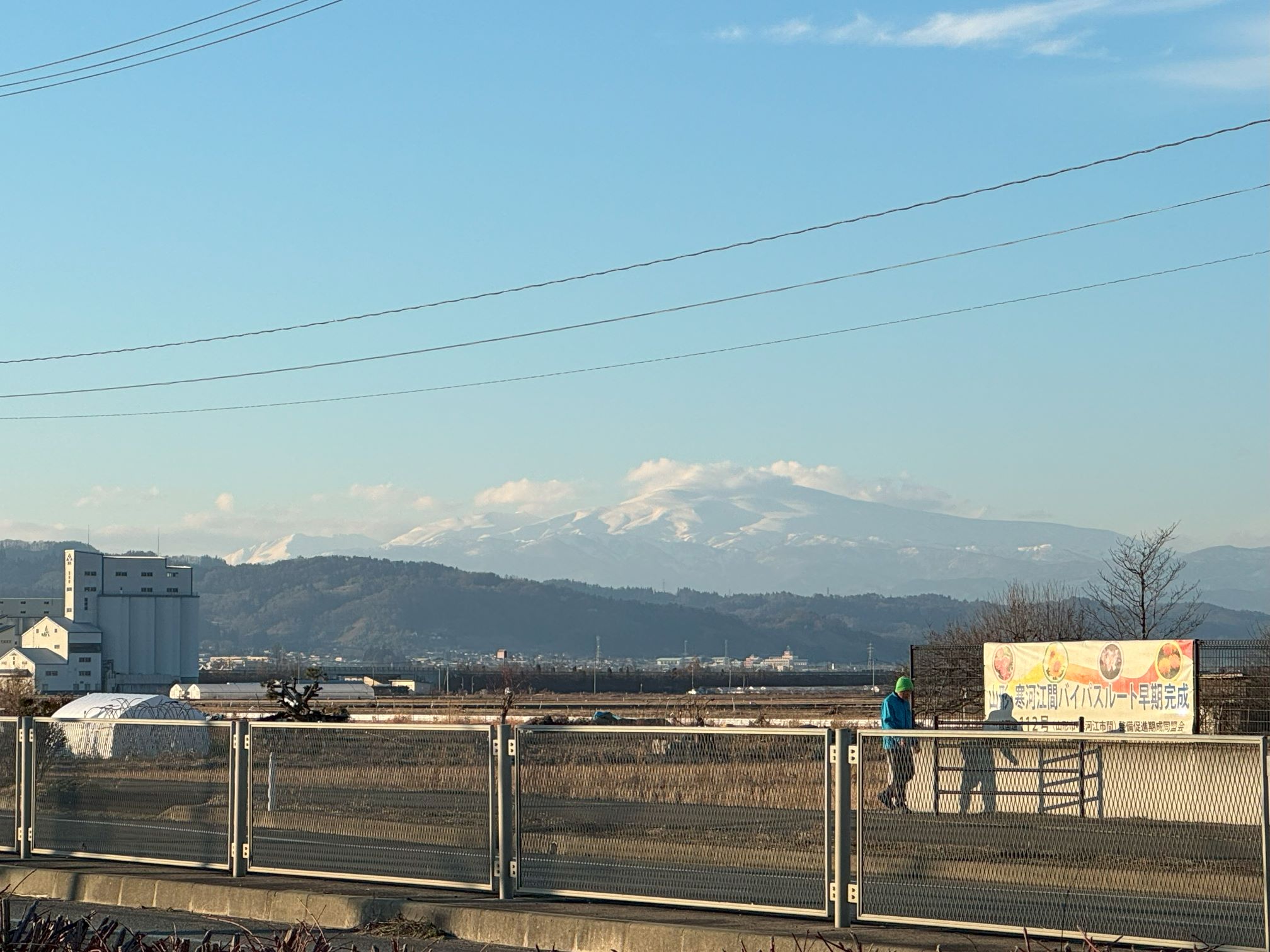
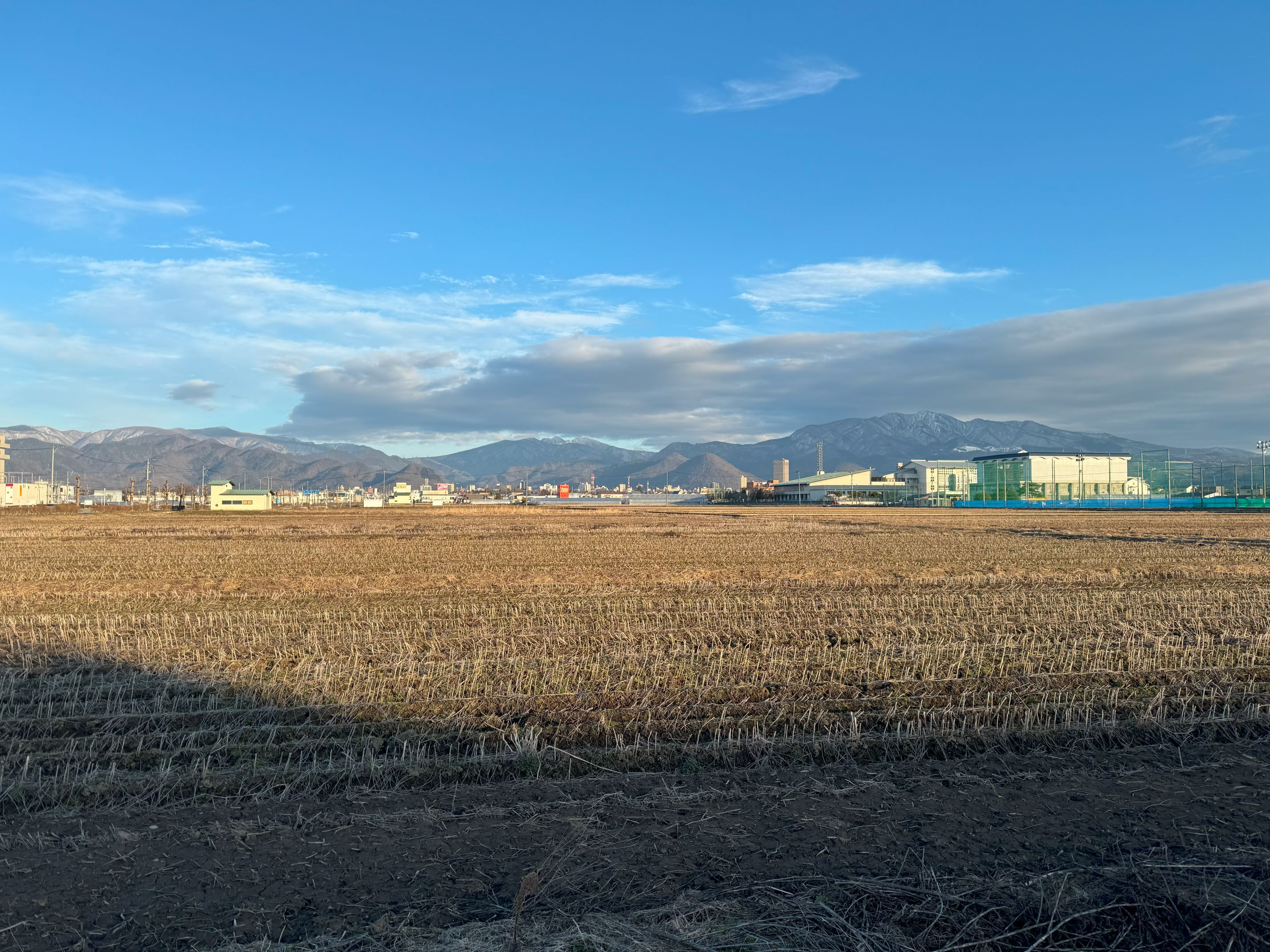
While traveling toward the Kunugisawa area, I suddenly found myself facing enormous snow-covered mountains.
At first I simply admired their grandeur, but then I realized:
“Wait… could those actually be the Dewa Sanzan?”
After checking, I confirmed that they were indeed Mt. Gassan and Mt. Yudono.
As an amateur researcher who has spent years studying Dewa Sanzan faith monuments across Japan, seeing the real mountains for the first time was deeply moving.
Turning eastward, the nearby peaks of Mt. Ryuzan and Mt. Gandosan also rose dramatically into view.
Truly, this is a basin city — mountains everywhere you look.
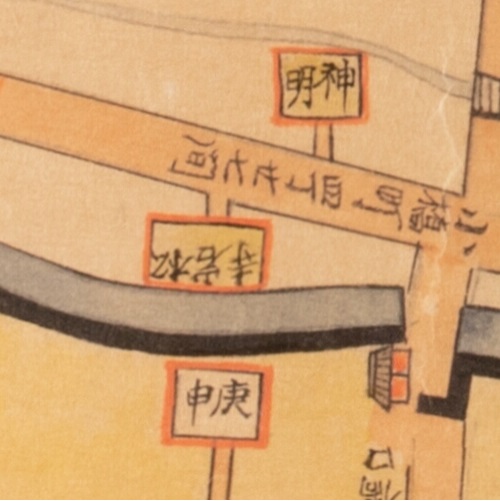
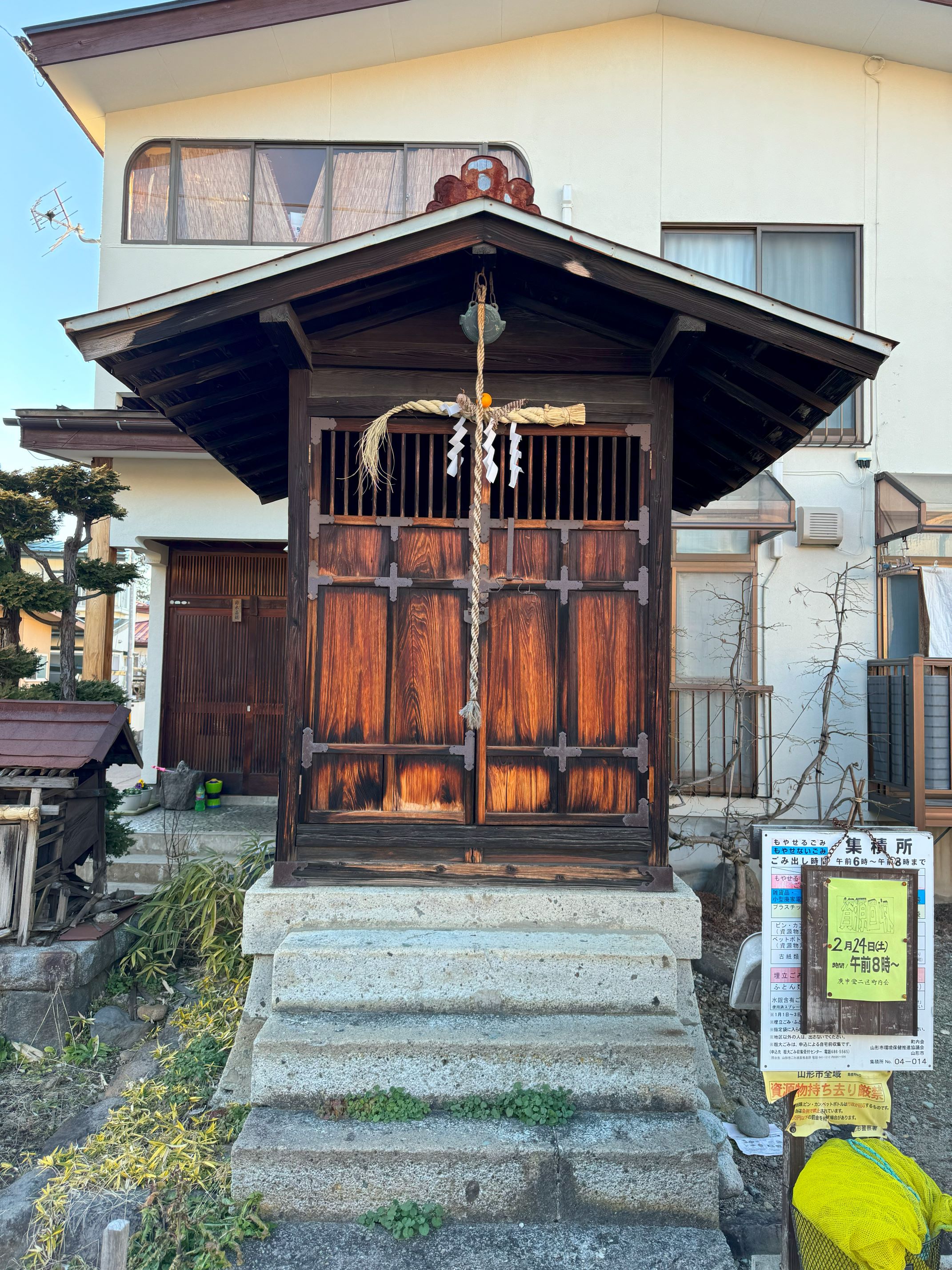
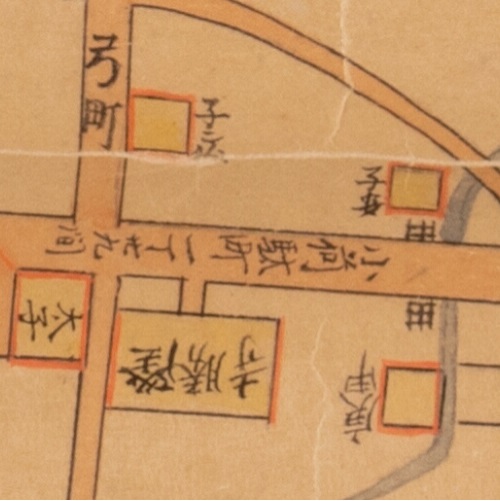
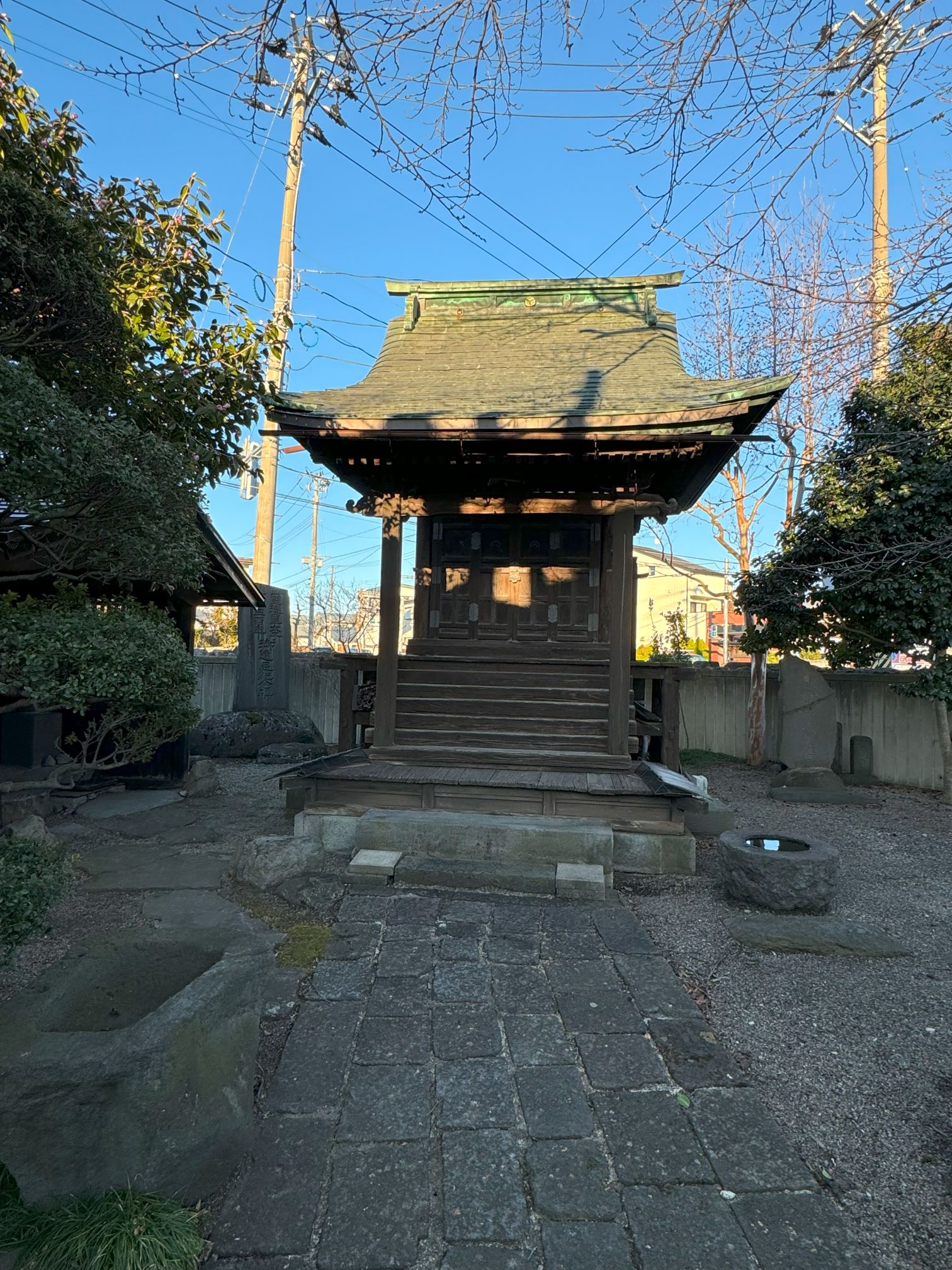
As part of Code for History’s own activities, I also checked whether historical sites appearing on old maps still survive today.
I confirmed that several sites remain extant, including:
- the Koshin Hall and Shinmei Shrine near Nishikicho north of Yamagata Castle’s outer moat,
- Shotoku-ji Temple in Mikkamachi (formerly Taishido),
- Koyasu-Kannondo Temple in Higashiharamachi,
- and the Shomen Kongo monument in Konidamachi (formerly a Koshin site).