Attending Academic Camp 2024 in Tokyo
 kochizufan
I attended Academic Camp 2024 in Tokyo, organized by AMANE LLC, on Friday, July 5 and Sunday, July 7, 2024.
Academic Camp is an annual event that emphasizes academic discussion and community exchange in a free and flexible atmosphere. This year’s event was held in Tokyo rather than in a regional area, so I participated in the night session on the first day and the field excursion on the final day.
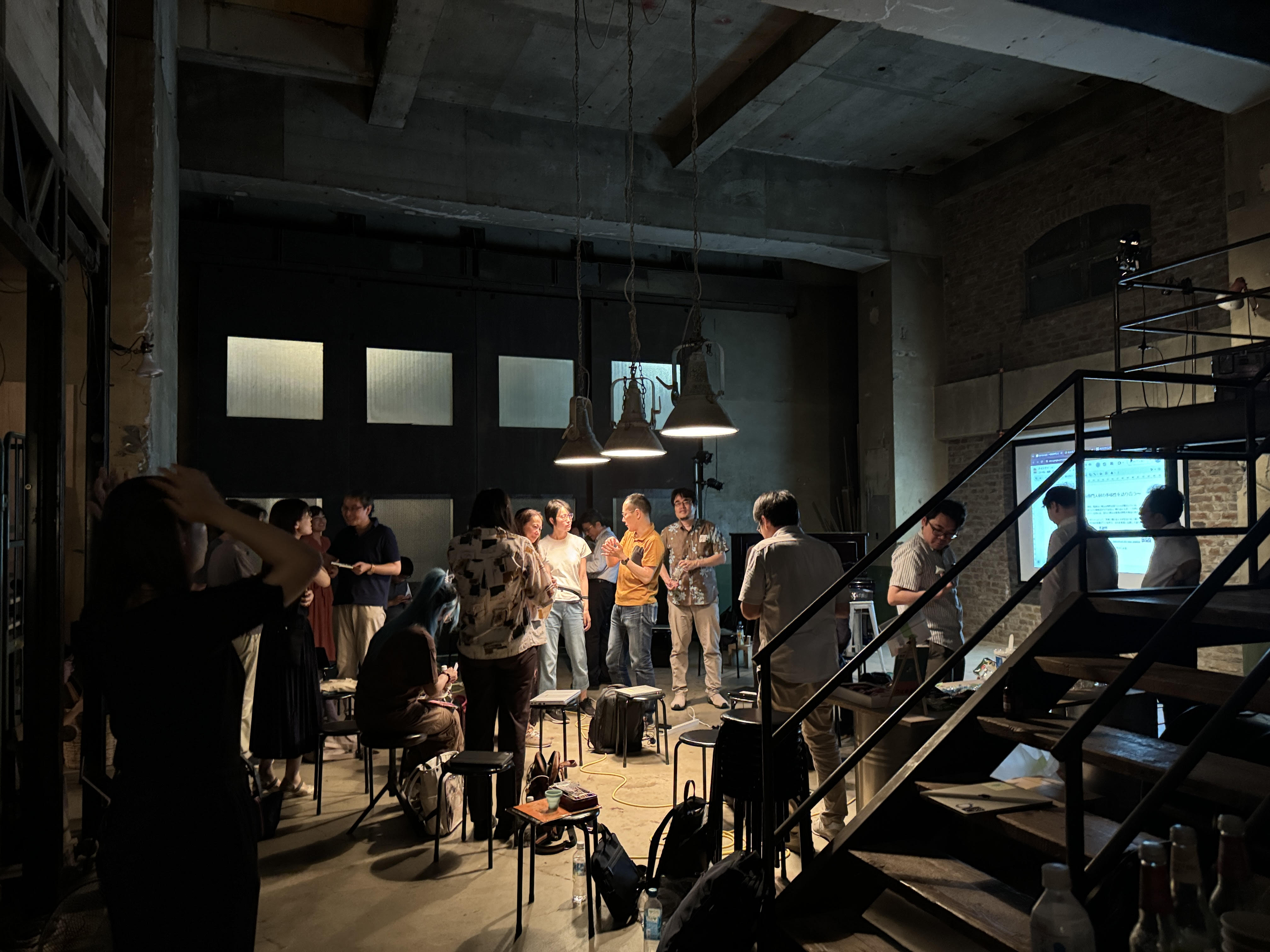
The opening night session involved participants creating pie charts representing how they spend their daily lives, then discussing and comparing the differences between one another.
When I first heard about the activity beforehand, I honestly wondered what it had to do with academia. But after hearing the organizers explain that the goal was to explore how people with different backgrounds — professions, generations, genders, and other characteristics related to academic work — can sustain better collaboration through communication with people unlike themselves, it immediately made sense to me.
I had also tended to think of myself as something of an outsider — more of an academic enthusiast than an actual researcher — and assumed events like this would feel somewhat intimidating or out of place for me. However, after speaking with participants, I realized that not everyone there was directly engaged in research itself. There were also people involved in providing services that support research activities, such as sales representatives for academic tools and services. It reminded me how modern academic work increasingly depends on collaboration across many kinds of professions and boundaries.
I was unable to attend the main session on the second day because I participated instead in the Takabatake event in Nara, which I described in another article.
The third-day field excursion began at Keisei Ueno Station and took us on a walking tour through Ueno Park to Shinobazu Pond.
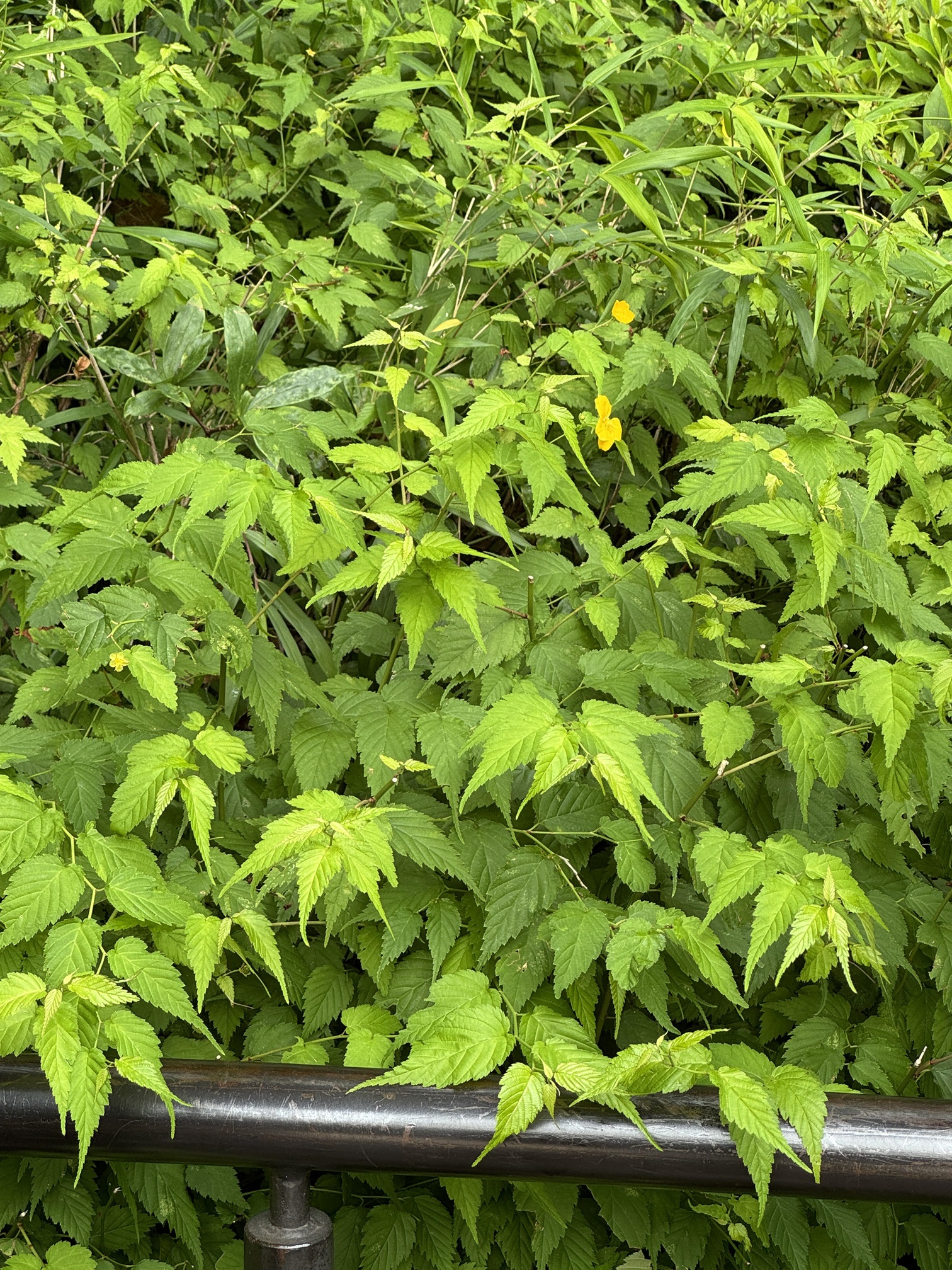
Earlier discussions leading up to Academic Camp had included presentations by Mr. Onishi from the Kanagawa Prefectural Museum of Natural History and Ms. Sennin from the Parthenon Tama Museum on topics related to natural history, so this excursion focused in part on the vegetation and ecology of Ueno Park.
At the same time, because participants included specialists from many different academic fields, the conversations naturally expanded into archaeology, history, folklore studies, and many other perspectives, making the event extremely stimulating.
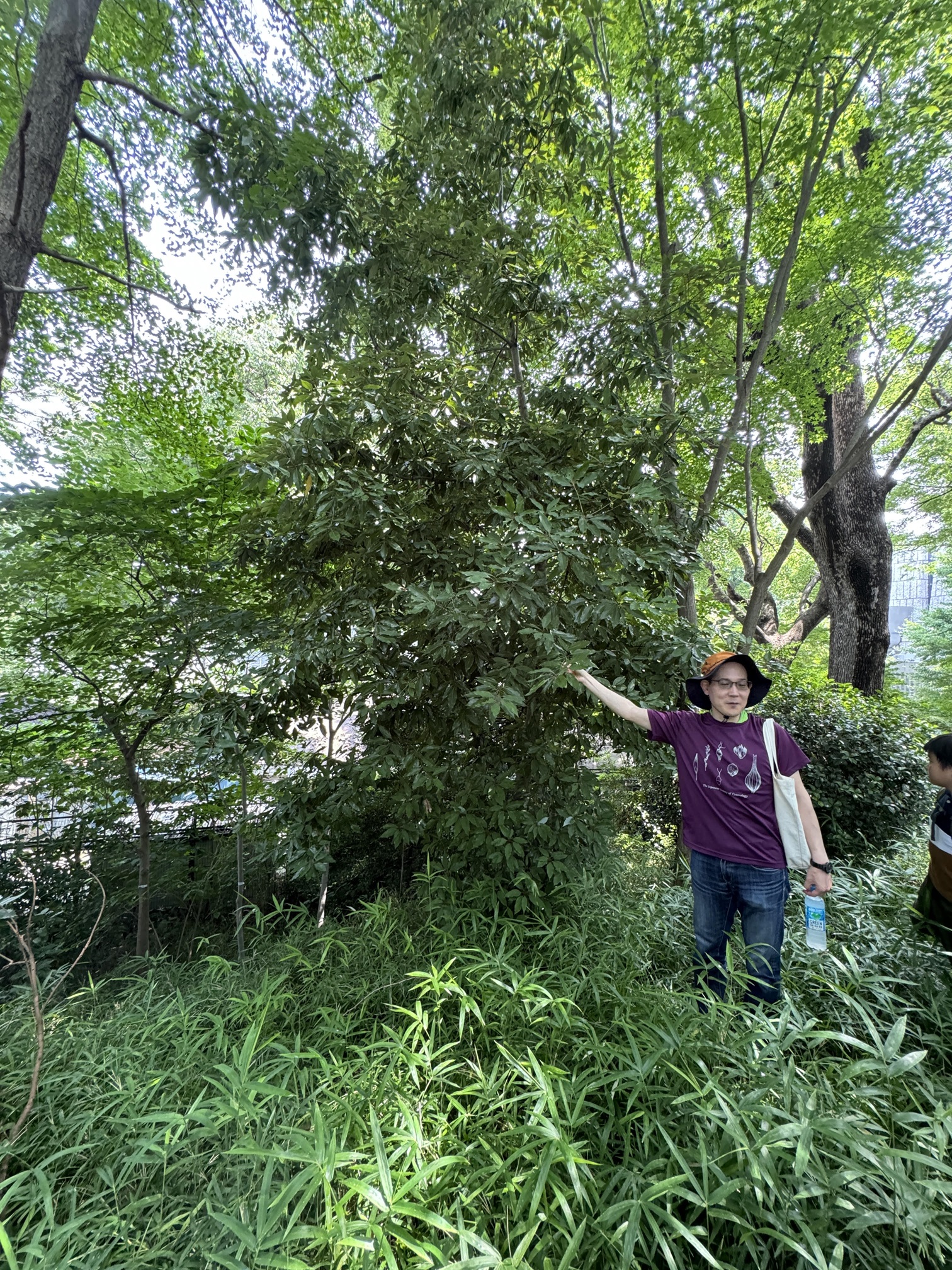
The organizers from AMANE also kindly invited me into the discussions at various points throughout the excursion, for which I am very grateful.
At one point, they mentioned the possibility of combining Code for History’s historical-map activities with natural-history-style field excursions. Unfortunately, I could only give a vague answer on the spot because I had not yet fully thought through the idea.
Later, however, I began imagining what such an event might look like.
Perhaps it could involve walking through a town while observing traces of how human activity has historically altered the natural landscape.
For example, in areas such as Sagamihara, where I currently live, sericulture was once widespread, and mulberry trees can still casually be found mixed among roadside vegetation.
Or in the lake districts around Tatebayashi in eastern Gunma, former samurai who lost their livelihoods after the Meiji Restoration were encouraged by their former domain lord to cultivate lotus roots in the marshlands as a new economic activity. Today, those lotus-filled wetlands have themselves become tourist attractions.
An event that explored these kinds of layered landscapes — comparing the region’s original natural environment with landscapes gradually reshaped through generations of human activity — could be fascinating. Walking through a town while identifying and discussing those differences together feels like it could open many interesting perspectives.
And perhaps the results could even be turned into maps.
This was my first time participating in an in-person Academic Camp event outside of the online sessions, but I would very much like to continue participating whenever possible in the years ahead.